
Care Home Dining Room Ideas & Chair Replacement
Care Home Dining Chairs: Christmas Dining Room Ideas for Nursing Home Seating and a Chair Replacement Programme
A well-designed dining space does more than look inviting; it shapes how residents feel and connect each day. As the heart of a care home, the dining room should promote comfort, conversation and wellbeing through the right mix of seating, lighting and colour. At Swan Hill, we know that thoughtful design can turn everyday mealtimes into uplifting social experiences. With Christmas approaching, it’s the perfect time to add seasonal warmth and plan long-term improvements through a structured chair replacement programme, keeping your dining areas safe, stylish and welcoming all year round.
Why upgrading your care home dining chairs matters
The dining room is more than a place to eat; it’s a social hub where residents share moments, laughter and memories. Comfortable, practical and stylish care home dining chairs play a vital role in creating this positive environment. Well-chosen seating supports posture, mobility and confidence, while also improving the overall look of your home. Upgrading your care home dining chairs delivers a range of tangible and emotional benefits for both residents and staff:
- Enhanced resident comfort: Ergonomic designs with correct seat height and arm support help residents sit comfortably for longer, reducing fatigue and promoting good posture.
- Improved mobility and independence: Chairs designed for easy access and stability enable residents to move safely and confidently during mealtimes.
- Safer, cleaner environments: Modern nursing home seating is built with infection-control fabrics and wipe-clean materials, helping maintain hygiene standards without compromising comfort.
- Consistent brand image: Refreshed dining furniture instantly elevates the aesthetic of your care home, giving visitors and families a positive first impression.
- Better social engagement: Comfortable, well-spaced chairs encourage residents to participate in group dining, strengthening social connections and community spirit.
- Reduced maintenance costs: Investing in high-quality, contract-grade furniture reduces repair frequency, saving time and money in the long run.
- Future-proof design: Selecting durable frames and neutral, timeless finishes ensures your dining room remains stylish and functional for years to come.
Key features to look for in care home dining chairs
Selecting the right furniture for a care home requires more than good looks. It’s about choosing products that balance durability, safety and comfort.
Durability and cleanability
Care homes need furniture built for daily use. Look for contract-grade frames, strong joints and stain-resistant, waterproof fabrics that can withstand regular cleaning. Infection-control upholstery is essential for maintaining hygiene standards.
Ergonomics and mobility
Ergonomic and dining chairs help residents sit and stand more easily. Supportive armrests, correct seat height, and balanced weight distribution all make mealtimes more comfortable and inclusive. Designs with ski bases or subtle castors can improve manoeuvrability without compromising stability.
Style and specification
Aesthetics matter too. Chairs that complement your existing furniture or future design schemes create a cohesive and welcoming space. Choose from warm wood finishes, soft pastels or classic upholstery tones to match the character of your home.
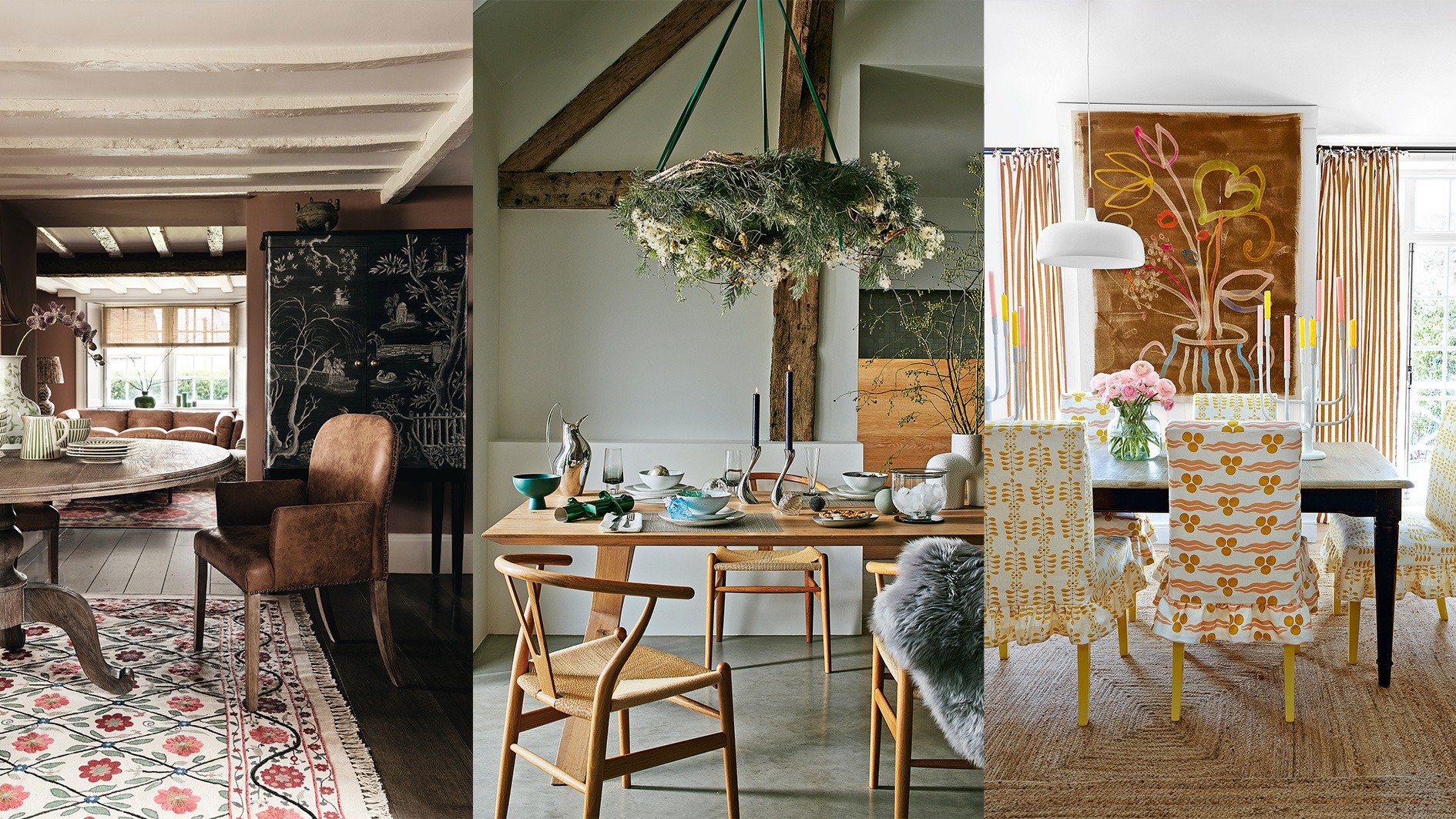
Christmas dining room ideas for care homes
The festive season is the perfect opportunity to bring warmth, joy and connection into your care home dining areas. Even small, thoughtful touches can transform mealtimes into special occasions that residents look forward to. Here are some ways to make your care home dining room feel festive and inviting while maintaining comfort, safety and practicality.
Festive colour palettes
Rich, traditional colours instantly add warmth and nostalgia to a care home dining room. The key is to balance vibrancy with calm tones, ensuring the space feels uplifting yet soothing.
- Choose timeless shades: Deep red, forest green and gold evoke a classic Christmas feel that appeals across generations.
- Add accents subtly: Incorporate festive colours through table linens, chair fabrics, napkins or floral arrangements.
- Consider dementia-friendly design: Use clear colour contrasts between tables, chairs and flooring to help residents with visual or cognitive challenges. Avoid overly busy prints or flashing decorations.
- Create a cosy atmosphere: Warm neutrals, soft lighting and natural wood tones complement brighter festive hues and make the room feel homely and calm.
Comfort through texture
During winter, texture plays a big role in creating warmth and comfort. Simple additions can make residents feel more at ease while dining.
- Add soft seat pads or cushions: Choose wipeable, fire-retardant materials suitable for care environments.
- Layer tactile fabrics: Combine smooth vinyl upholstery with soft cotton table runners or knitted throws for a welcoming mix.
- Prioritise practicality: Select easy-to-clean materials to maintain hygiene and keep surfaces fresh between meals.
- Incorporate natural elements: Textured placemats made from bamboo or rattan can add subtle variety and seasonal charm.
Table and chair layout
A thoughtful layout encourages conversation and social engagement,especially during group events like Christmas lunches.
- Encourage connection: Arrange care home dining chairs to allow easy eye contact and conversation. Circular or smaller rectangular tables work well for group interaction.
- Maximise accessibility: Ensure there’s enough space between chairs for mobility aids or wheelchairs without restricting movement.
- Designate themed zones: If space allows, create smaller festive areas such as a “Christmas tea corner” or “family dining zone.”
- Highlight focal points: Position the Christmas tree or main decoration where residents can enjoy it without blocking pathways or causing distraction.
Subtle decorations
Festive décor should enhance the dining experience, not overwhelm it. Understated touches can bring a sense of celebration while maintaining calm and comfort.
- Keep it simple: Use table runners, LED fairy lights or gentle candle-style lighting to create warmth without clutter.
- Use sensory-friendly materials: Avoid flickering lights, strong scents or noisy ornaments that may cause agitation for some residents.
- Personalise the space: Include handmade decorations created by residents to foster a sense of pride and participation.
- Bring nature indoors: Add small evergreen branches, pinecones or poinsettia arrangements for a traditional yet natural look.
Thoughtful festive design doesn’t require an extensive budget or major refurbishment. By combining comfortable nursing home seating, carefully selected colours, and subtle seasonal touches,You can create a Christmas dining room that feels both joyful and calm by combining thoughtful décor with comfortable, well-chosen dining room furniture. The right tables and care home dining chairs help set the tone for festive gatherings, providing a space where residents can relax, connect, and celebrate the season together in comfort and style.
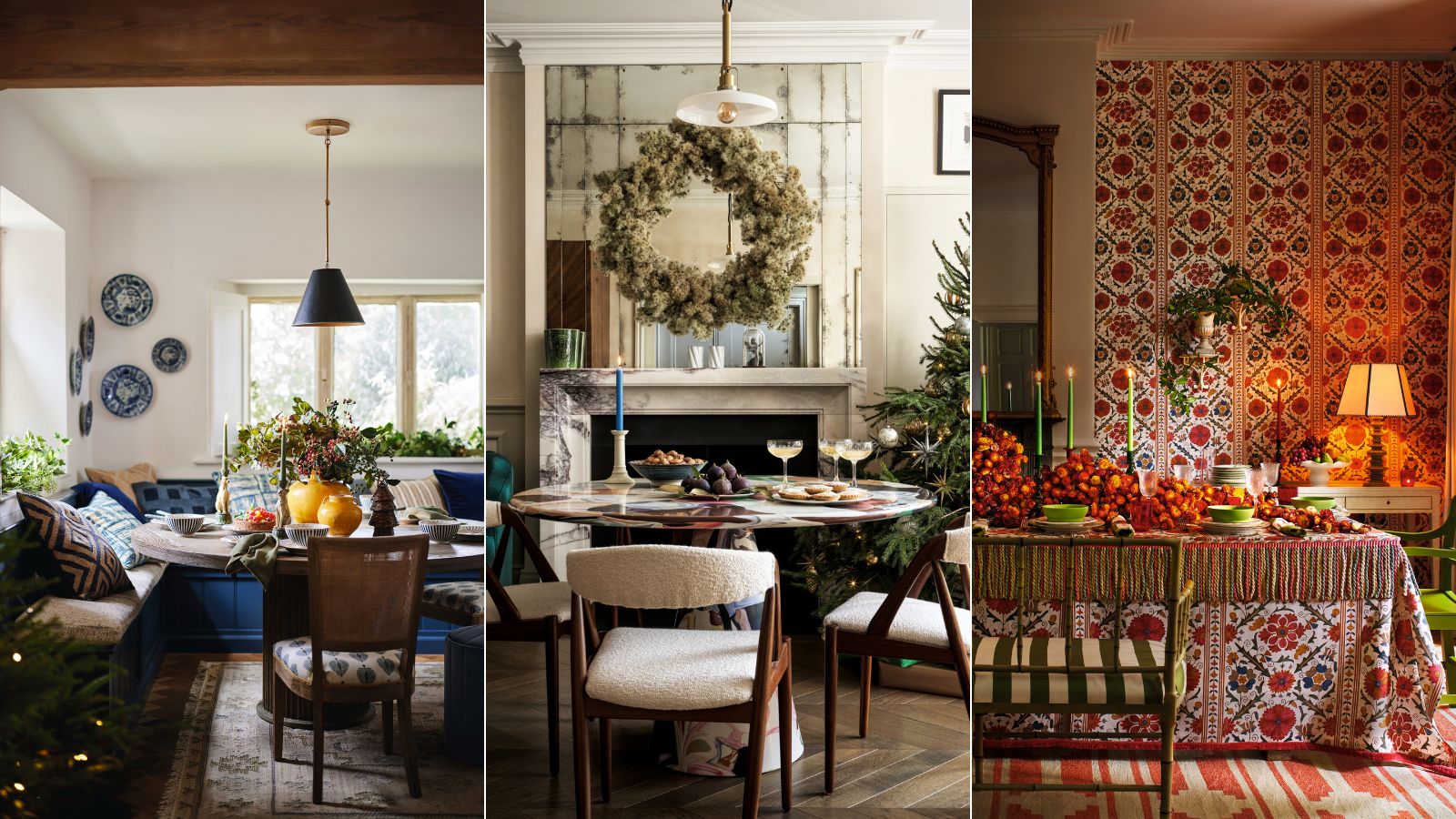
Developing a chair replacement programme for nursing home seating
Many care homes face the challenge of outdated or mismatched furniture. Rather than replacing everything at once, a structured chair replacement programme can help spread costs and minimise disruption.
Step 1: Audit your current furniture
Start by assessing each dining chair. Note any signs of wear, instability or fabric damage. Chairs that no longer meet comfort or safety standards should be prioritised for replacement.
Step 2: Set your budget and timeline
Determine how many chairs can be replaced each quarter or financial year. Phased upgrades ensure consistent quality and allow time for staff and residents to adjust.
Step 3: Choose trusted suppliers
Select a partner who understands care sector requirements. At Swan Hill, we work closely with care providers to match furniture specifications, manage compliance and coordinate delivery and installation.
Step 4: Measure results
Once your new dining chairs are in place, track the difference they make. Look at resident satisfaction, ease of cleaning and maintenance savings. A well-planned chair replacement programme should deliver visible improvements in both comfort and efficiency.
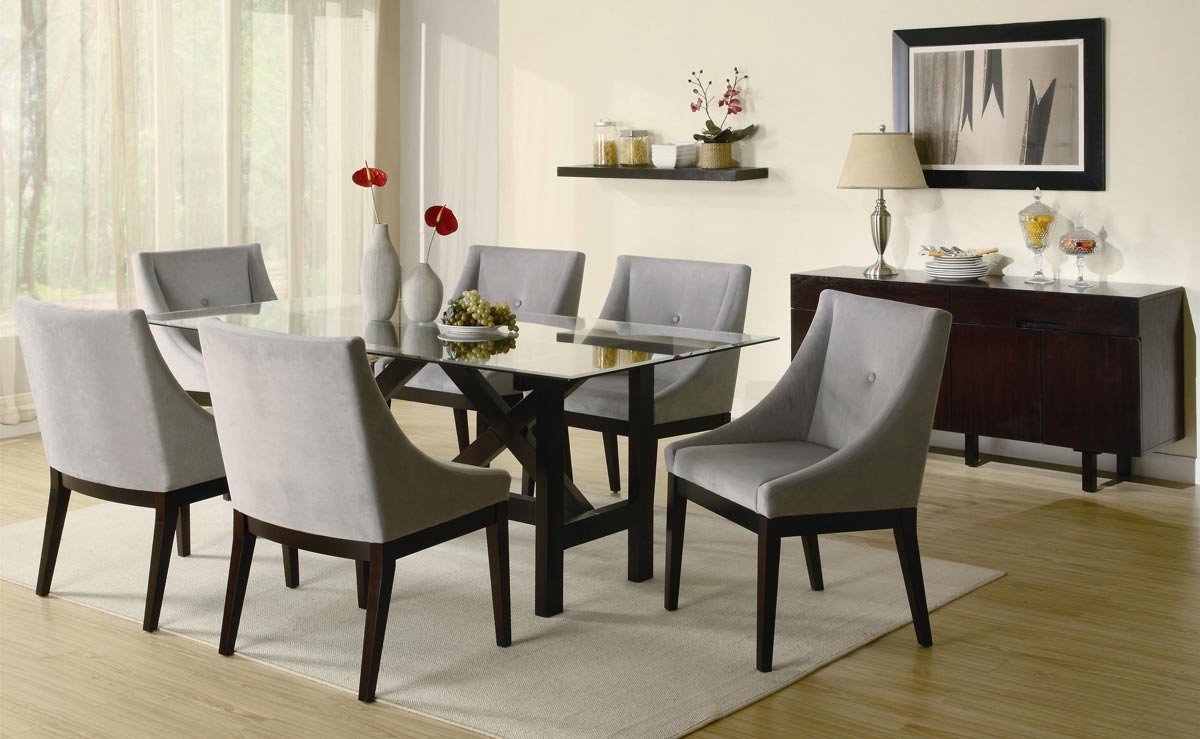
Choosing the right supplier for your care home dining chairs
The best furniture suppliers understand that care homes are not just facilities but homes where comfort, dignity and wellbeing matter most. When choosing a partner, look for a company that offers more than a catalogue of products. The following points outline what to expect from a truly supportive care home furniture supplier.
Interior design support and layout planning
- Offers tailored design guidance to ensure every space feels comfortable, functional and compliant.
- Provides layout planning that maximises room flow, accessibility and visual harmony.
- Helps align furniture choices with your care home’s brand, resident needs and long-term goals.
- Swan Hill’s in-house design experts collaborate with care providers to create beautiful, practical interiors that enhance daily living.
Free fabric samples before ordering
- Enables you to see and feel materials before committing to an order, avoiding guesswork.
- Helps assess durability, colour accuracy and how fabrics complement existing décor.
- Encourages informed decisions on texture, tone, and comfort.
- Swan Hill provides free fabric samples to ensure every piece suits your environment perfectly.
Compliance and conformance advice
- Ensures your furniture meets fire safety, infection control, and care environment standards.
- Offers guidance on product certifications and suitability for CQC and local authority requirements.
- Reduces compliance risks through expert advice and transparent documentation.
- Swan Hill’s dedicated Assist Desk supports clients with up-to-date compliance information and sector knowledge.
Delivery and installation services
- Manages logistics from warehouse to placement, ensuring minimal disruption to residents.
- Provides professional installation to guarantee safety, stability and proper positioning.
- Coordinates delivery schedules around your operational needs.
- Swan Hill’s delivery and installation team handles every detail, so your furniture is ready for use immediately.
Aftercare and replacement support
- Offers continued support after installation, including maintenance advice and warranty assistance.
- Provides guidance on phased chair replacement or refurbishment programmes.
- Helps maintain consistent quality and style across your care home over time.
- Swan Hill builds long-term partnerships with clients, ensuring your spaces remain safe, stylish, and future-ready.
Choosing a partner like Swan Hill means more than buying furniture; it’s about gaining a trusted design and installation team committed to enhancing every resident’s experience through comfort, quality, and care.
Bringing it all together
Upgrading your care home dining chairs is both a practical and emotional investment. Comfortable, durable and stylish furniture improves resident wellbeing and enhances your care home’s image. Adding festive touches and planning a structured chair replacement programme ensures your dining space looks its best all year round.
Now is the perfect time to prepare your dining room for Christmas and beyond. If you’re ready to discuss design ideas or explore our range of care home dining chairs, contact Swan Hill today. Our team will help you create dining spaces that residents love,and that truly reflect the care you provide.
FAQs
How often should care home dining chairs be replaced?
Care home dining chairs typically last around five to seven years, depending on usage and quality. Regular inspections for wear, stability and hygiene are essential. A structured chair replacement programme helps spread costs and ensures your furniture always meets safety and comfort standards.
What makes a dining chair suitable for a care home environment?
The best care home dining chairs combine durability, safety and comfort. Look for contract-grade construction, infection-control upholstery, and supportive armrests. Chairs should also be easy to clean, lightweight to move, and designed to aid residents’ mobility during mealtimes.
How can we decorate our dining room for Christmas without overwhelming residents?
Choose a few simple, coordinated decorations that create a festive feel without overstimulation. Soft lighting, gentle colour contrasts and familiar Christmas motifs work best. Avoid flashing lights, strong scents or excessive clutter to maintain a calm, welcoming atmosphere.
Why is ergonomic seating important in nursing home dining areas?
Ergonomic nursing home seating supports correct posture and helps residents sit and stand comfortably. Chairs with appropriate seat height, back support and armrests reduce fatigue and promote independence. This design consideration enhances both safety and quality of life.
How can a chair replacement programme improve care home operations?
A well-planned chair replacement programme helps maintain a consistent standard of comfort and appearance across your care home. It spreads investment over time, reduces maintenance issues and ensures compliance with health and safety standards. The result is a more efficient, welcoming environment for residents and visitors alike.