
Budget Planning for a Care Home Furniture Upgrade
Upgrading furniture in a care home is more than a matter of appearance. The right furniture supports resident comfort, safety and well-being while improving staff efficiency and creating a welcoming environment. Planning a furniture upgrade without a clear strategy can lead to unnecessary costs, mismatched furniture or disruptions for residents.
A thoughtfully planned care home furniture budget ensures that you can achieve high-quality, durable and practical upgrades without overspending. This guide serves as a complete furniture buying guide for care homes, providing step-by-step advice on planning, prioritising and purchasing furniture, including strategies for saving costs and maximising value.
Why Care Home Furniture Matters?
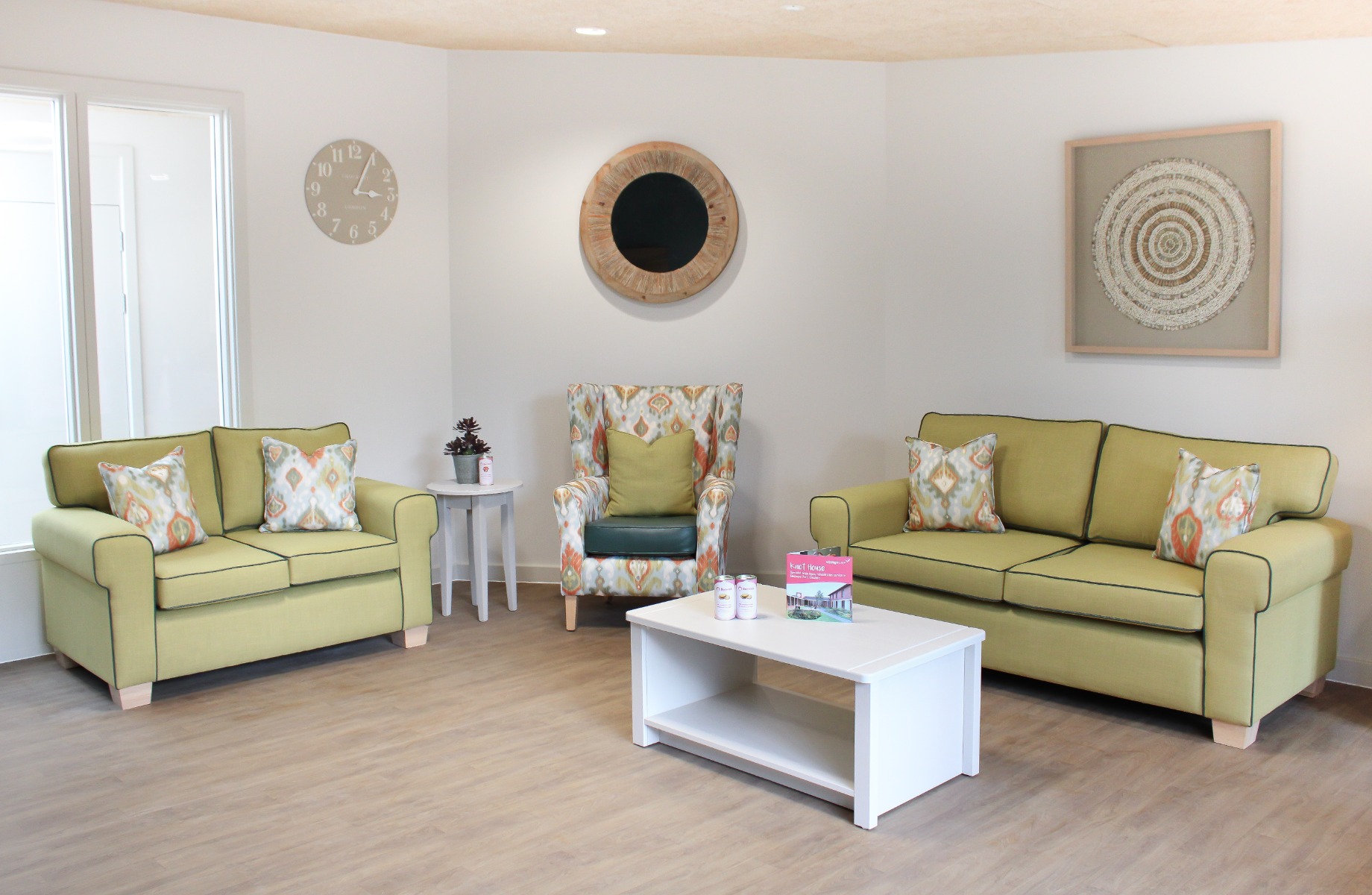
The furniture in a care home directly impacts the daily life of residents. From bedrooms to communal areas, well-chosen furniture:
-
Enhances comfort and promotes dignity for residents.
-
Supports independence and accessibility, especially for those with mobility or memory challenges.
-
Improves staff efficiency by reducing maintenance and simplifying room layouts.
-
Creates a homely, inviting environment that positively influences mood and overall wellbeing.
Investing in the right furniture is not just a design choice, it is an essential part of providing quality care. By planning a care home furniture budget carefully, you can prioritise high-impact upgrades, improve resident satisfaction and make efficient use of financial resources.
Step 1 – Assess Your Current Furniture Needs
The first step in planning a furniture upgrade is to evaluate what you currently have. This assessment helps identify what needs replacing, repairing or upgrading. A detailed review ensures your budget is spent where it matters most.
Key areas to consider:
-
Wear and tear: Look for broken, unstable or outdated furniture that could pose safety risks.
-
Resident needs: Consider furniture that supports mobility, dementia-friendly features or comfort requirements.
-
Functionality: Identify items that are not serving their purpose well, such as inadequate storage, uncomfortable seating or limited accessibility.
-
Aesthetics: Evaluate whether outdated furniture affects the overall look and feel of rooms and communal spaces.
Documenting your findings will allow you to categorise furniture into urgent replacements, essential upgrades and optional improvements. These categories form the foundation of your care home furniture budget.
Step 2 – Calculate Your Budget
With a clear understanding of your current furniture, it is time to calculate a realistic budget. Budgeting ensures that you can plan purchases strategically and avoid overspending.
Consider the following when calculating your budget:
-
Scope of upgrade: Decide whether you are upgrading a single room, multiple areas or the entire care home.
-
Item quantities: Count beds, chairs, wardrobes, tables and other essentials.
-
Prioritisation: Allocate more budget to furniture that directly affects resident comfort and safety.
-
Long-term value: Investing in durable and low-maintenance furniture may have a higher upfront cost but saves money over time.
-
Additional costs: Include delivery, installation and potential staff training for new furniture layouts.
By carefully calculating a budget, you create a roadmap that ensures your care home furniture upgrade is both practical and financially manageable.
Step 3 – Identify Key Cost Factors
Understanding what drives furniture costs is essential for care home managers to make informed choices. Factors such as material quality, safety features and dementia-friendly design all play a role. High-quality materials like solid wood, reinforced laminates or heavy-duty metals last longer but may come with a higher upfront cost. Safety features, including rounded edges, anti-tip structures and stable construction, are crucial for resident wellbeing, while dementia-friendly elements support independence and daily routines.
Maintenance requirements, design and aesthetics also influence costs. Low-maintenance, easy-to-clean furniture saves staff time and reduces long-term expenses, while modern, elegant designs enhance comfort and the overall environment. Delivery and professional installation ensure furniture is safe and ready to use but can add to the budget. Considering all these factors ensures the selection of cost-effective care home furniture that meets both practical and financial requirements.
Step 4 – Prioritise Furniture Purchases
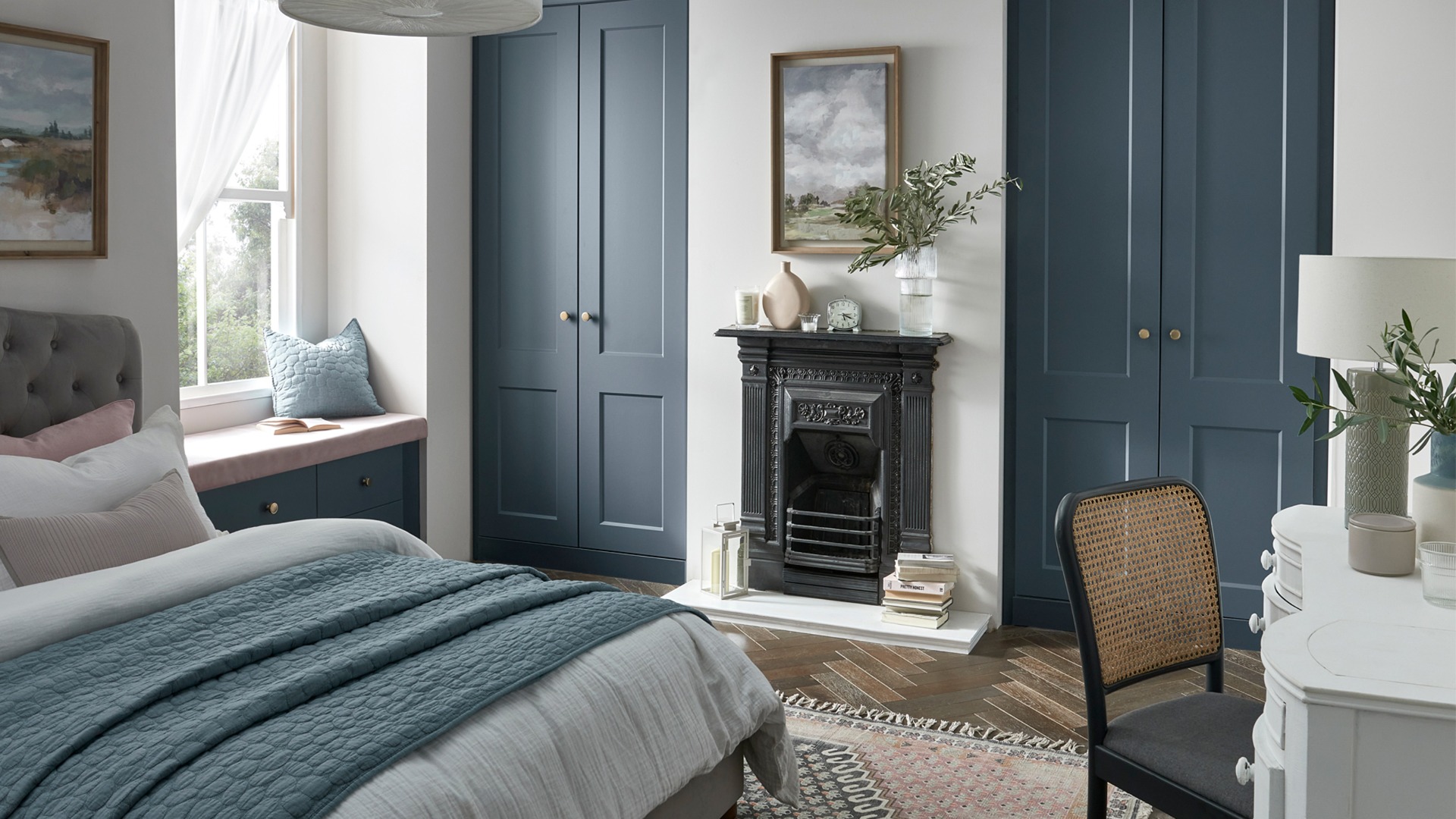
Not all furniture requires immediate replacement. Prioritising purchases ensures that your budget is used effectively for maximum impact.
Focus on:
-
High-impact furniture: Beds, storage units and seating directly affect resident comfort.
-
Safety-first upgrades: Replace furniture that could cause accidents or injuries first.
-
Frequently used areas: Dining tables, lounge chairs and activity-room furniture should be durable and easy to clean.
-
Resident-specific needs: Furniture designed for dementia or mobility support improves usability and independence.
By prioritising in this way, you can upgrade the most critical items first and plan future enhancements without exceeding your budget.
Step 5 – Explore Cost-Saving Strategies
Upgrading care home furniture does not need to be costly if approached strategically. One effective method is to invest in multi-functional furniture, such as beds with storage drawers or tables with adjustable heights, which reduces the total number of items required. Bulk purchases can also lead to significant savings, as many suppliers offer discounts when multiple units are ordered at once.
Phased upgrades allow care homes to spread the cost over time while minimising disruption to residents. Choosing low-maintenance, durable materials reduces cleaning time and future replacement costs. Additionally, opting for supplier packages or full-room sets can often be more cost-effective than purchasing individual pieces. These strategies help care homes achieve affordable care home refurbishments without compromising on quality or safety.
Step 6 – Check Funding Options
Funding plays a crucial role in making a care home furniture upgrade achievable and affordable. Internal budgets are often the first source, allowing capital expenditure or operational funds to cover planned purchases. Government grants and local authority programmes can also provide financial support for upgrades that improve resident safety and wellbeing.
Charitable organisations sometimes offer funding for projects designed to enhance the quality of life for residents, making premium furniture more accessible. Many suppliers provide flexible financing or payment plans, allowing care homes to spread costs over months rather than paying upfront. By carefully exploring all available options, care homes can stretch their budget further, enabling investment in safe, durable and low-maintenance furniture without compromising quality.
Step 7 – Choose the Right Supplier
Selecting a trustworthy supplier is one of the most important steps for a successful furniture upgrade. The right supplier ensures that products are durable, safe and designed specifically for care home environments. When evaluating potential partners, consider the quality and reliability of their furniture, as well as compliance with safety standards.
Professional services such as delivery, installation and aftercare are equally important, ensuring furniture is ready for use without additional stress for staff. Experienced suppliers can provide guidance on cost-effective care home furniture and dementia-friendly designs, helping care homes make informed choices.
Partnering with a reputable supplier like Swan Hill Furniture ensures your investment delivers long-term value, enhances resident comfort, and supports staff efficiency.
Key Factors That Affect Furniture Costs
Before finalising purchases, review the main factors that impact costs:
-
Quantity of items: Larger orders naturally increase costs but may provide bulk discounts.
-
Material selection: Solid wood, metal or high-quality laminates vary in price and longevity.
-
Design features: Custom or premium designs may cost more but offer better aesthetics and usability.
-
Safety considerations: Additional safety features may increase initial cost but reduce risks.
-
Maintenance requirements: Low-maintenance finishes reduce long-term cleaning and replacement costs.
-
Delivery and installation: The supplier’s location, shipping and professional setup influence the final price.
Understanding these factors allows you to make informed decisions, balance quality and cost, and stick to your care home furniture budget.
Final Thoughts
Planning a care home furniture upgrade requires careful consideration, balancing resident needs, staff efficiency and financial constraints. A well-structured care home furniture budget ensures that investments are both practical and long-lasting.
By assessing current furniture, calculating realistic budgets, prioritising purchases, exploring cost-saving strategies and working with trusted suppliers, care homes can achieve affordable care home refurbishments while enhancing safety, comfort and staff efficiency. Thoughtful planning not only enhances resident comfort and safety but also improves staff efficiency and the overall atmosphere of the facility.
Investing in the right furniture transforms the care home environment, creating spaces that are safe, functional and welcoming.
FAQs
How much should I budget per room for a furniture upgrade?
Costs vary depending on furniture type and quality. Investing in durable, low-maintenance and dementia-friendly furniture provides long-term value even if initial costs are higher.
Should I upgrade all rooms at once or in stages?
Phased upgrades spread costs and minimise disruption, but critical items like beds and storage should be prioritised first.
Is dementia-friendly furniture necessary for all residents?
Not for every resident, but features such as handleless drawers and open storage benefit residents with memory or mobility challenges and improve overall usability.
Can bulk purchases reduce costs without sacrificing quality?
Yes. Buying multiple units from reputable suppliers often comes with discounts and can be more cost-effective than buying items individually.
Are there funding or grant options available for care home furniture upgrades?
Yes. Options include internal budgets, government grants, charitable support and supplier financing to help make quality furniture more affordable.