
Complete Guide to Care Home Refurbishment in the UK
Creating a safe, comfortable and welcoming environment is essential in modern care settings. This care home refurbishment guide explores how thoughtful upgrades can improve resident wellbeing, support staff efficiency and meet evolving care standards across the UK.
Refurbishment is not just about appearance. It is about designing spaces that feel familiar, accessible and practical for everyday living. With the right planning, even small changes can make a meaningful difference to both residents and carers.
What Is Care Home Refurbishment?
Care home refurbishment focuses on improving existing environments through updates to furniture, layout, safety features and accessibility. The aim is to create spaces that are safe, functional and aligned with current care standards.
Care Home Refurbishment Typically Includes:
- Replacing or upgrading furniture
- Improving room layouts for accessibility
- Enhancing lighting and visibility
- Updating communal areas such as lounges and dining rooms
- Ensuring compliance with safety regulations
The Care Quality Commission states that premises and equipment must be properly maintained and suitable for their intended purpose. This means care environments should always support safe care delivery and minimise risks for residents.
When Should a Care Home Be Refurbished?
Refurbishment becomes necessary when environments no longer support the needs of residents or staff. Several clear indicators can signal the need for updates.
Common Signs Include:
- Worn or damaged furniture: Furniture that shows visible wear, reduced comfort or structural weakness can create safety risks and negatively affect resident wellbeing.
- Poor room layouts that limit movement: Narrow pathways, overcrowded spaces or inefficient layouts can restrict mobility and make daily tasks more difficult for both residents and staff.
- Outdated interiors affecting comfort: Older designs may lack modern comfort standards, making rooms feel less welcoming or suitable for long-term residential care.
- Lack of dementia-friendly features: The absence of clear signage, contrasting colours or familiar layouts can increase confusion and anxiety for residents living with dementia.
Step-by-Step Care Home Refurbishment Process
A clear step-by-step approach helps keep refurbishment projects organised, manageable and aligned with resident needs.
1. Assess the Current Environment
Review all areas including bedrooms, lounges and dining spaces to identify safety issues, layout problems and worn furniture.
2. Define Goals and Budget
Set clear objectives based on resident needs and operational priorities. Budget planning ensures upgrades focus on long-term value rather than short-term fixes.
3. Plan Layout and Design
Layouts should improve accessibility, movement and visibility. This is a key part of any elderly home design guide as it supports safety and independence.
4. Select Furniture and Materials
Choose durable, easy-to-clean furniture suitable for daily care use. Good material selection improves hygiene, comfort and long-term performance.
5. Implement the Refurbishment
Work in planned phases to reduce disruption for residents and staff. Proper coordination ensures smoother delivery of the overall refurbishment process.

Care Home Refurbishment Checklist
Using a refurbishment checklist can help ensure nothing is overlooked during planning.
- Furniture condition and safety assessed
- Layout reviewed for accessibility and movement
- Infection control standards considered
- Fire safety compliance confirmed
- Dementia-friendly design elements included
- Durable and easy-clean materials selected
- Budget aligned with long-term requirements
Key Design Considerations for Elderly Care Environments
An effective elderly home design guide focuses on creating environments that are safe, familiar and easy to navigate.
- Comfort and support: Furniture should promote good posture and reduce strain during daily use.
- Clear layouts: Simple room layouts help residents move safely and independently.
- Lighting and visibility: Well-lit spaces reduce shadows and improve confidence when moving.
- Colour contrast: Contrasting colours can help residents distinguish between furniture, walls and floors.
Room-by-Room Refurbishment Guide
Bedrooms
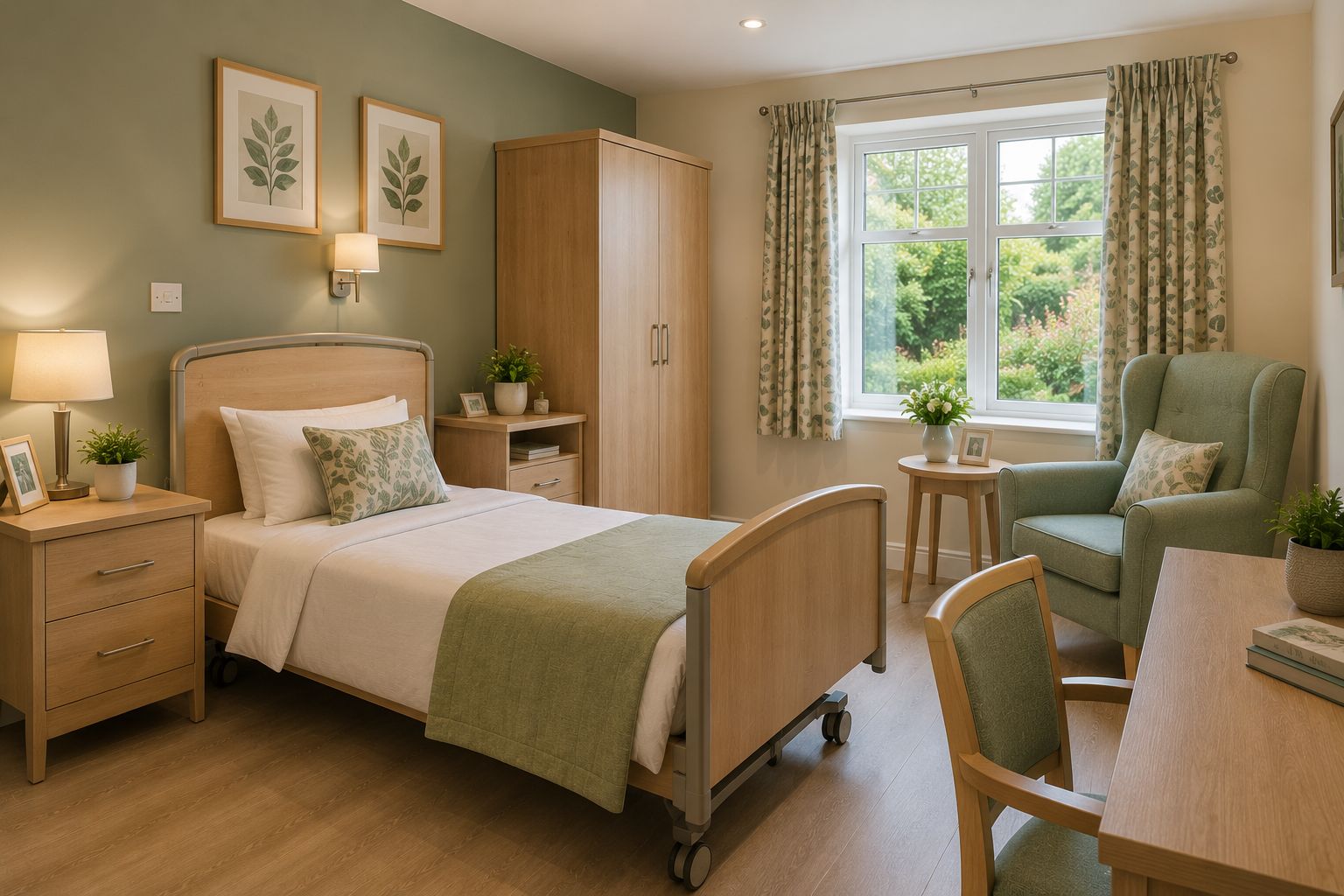
Bedrooms should feel calm, familiar and private to support rest and emotional wellbeing. Furniture should promote independence while allowing easy access to essential items such as storage and seating.
Lounges
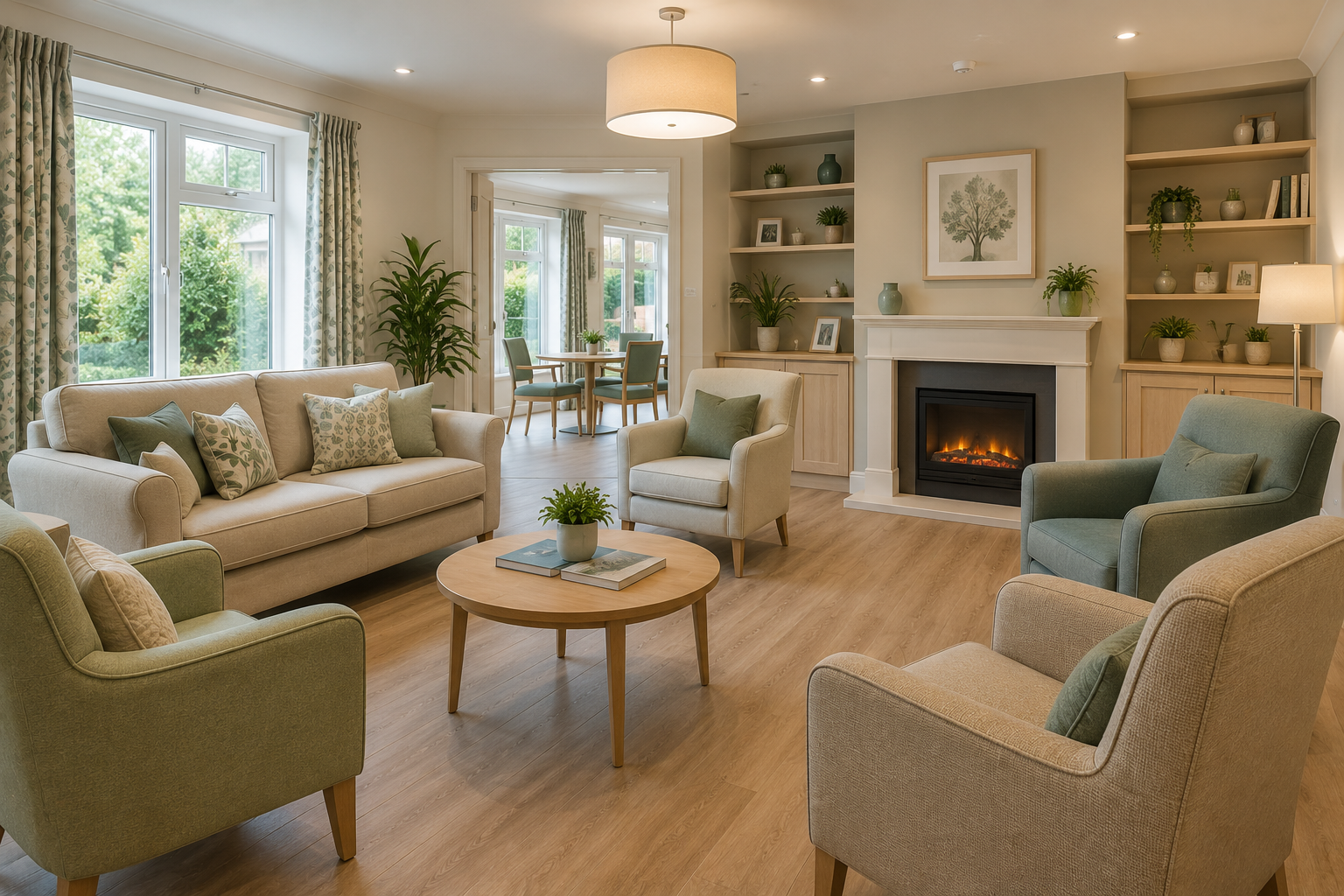
Lounges should encourage social interaction while maintaining a relaxed and welcoming atmosphere. Seating must be comfortable, supportive and suitable for long periods of use.
Dining Areas
Dining spaces should be safe, accessible and easy to navigate for residents with varying mobility levels. Furniture should support posture stability and allow residents to sit and stand with ease.
Choosing the Right Furniture for Refurbishment
Choosing the right furniture is a central part of any care home refurbishment guide as it directly influences resident safety, comfort and long-term durability.
- Durability for frequent use
- Easy maintenance and hygiene support
- Ergonomic design for improved posture and mobility
- Suitability for residents with different care needs
Benefits of a Well-Planned Refurbishment
- Improved comfort and wellbeing for residents
- Better efficiency for care staff
- Enhanced appearance and first impressions
- Reduced long-term maintenance and replacement costs
Refurbishment also helps care providers stay competitive and maintain high standards of care.
Final Thoughts
A care home refurbishment guide provides a clear framework for improving care environments in a structured and practical way. By following a step-by-step refurbishment process and using a comprehensive checklist, care homes can create spaces that are safer, more efficient and better suited to resident needs.