
Durable Care Home Furniture
Durable Furniture Solutions for Busy Care Homes
Introduction
- Briefly introduce the importance of durability in care home furniture.
- Highlight the intense daily use in nursing homes and the unique furniture needs of residents.
- Mention evolving standards around safety, E-E-A-T, comfort, and infection control.
What Makes Furniture for Care Homes Truly Durable?
- Define durability in the context of high-traffic care environments.
- Highlight materials (e.g., contract-grade wood, moisture-resistant upholstery).
- Stress-test standards and fire safety compliance.
The Importance of Thoughtful Design in Care Home Furniture Ranges
- Emphasise the need for functionality without compromising aesthetics.
- Discuss rounded edges, anti-microbial finishes, and ergonomics.
- Introduce the value of modular and coordinated room furniture sets.
Furnishing the Heart of the Home: Durable Lounge Furniture Options
- Explore furniture solutions for shared communal areas.
- Recommend sofa styles that are easy to clean yet soft.
- Describe how lounge chairs with arms support independence and comfort.
Resilient and Comfortable: Choosing Care Home Dining Furniture
- Focus on ergonomics, ease of movement, and spacing in dining rooms.
- Discuss features like wipeable surfaces, adjustable heights, and wide-based dining chairs for stability.
Practical and Peaceful: Bedroom Furniture for Care Homes
- Guide on creating restful, easy-to-navigate rooms.
- Recommend beds for care homes with profiling capabilities.
- Highlight smart storage to minimise clutter and trip hazards.
Supporting Special Needs: Dementia-Friendly and Challenging Behaviour Solutions
- Explain visual contrast techniques, colour psychology, and signage.
- Promote dementia furniture with recognisable forms and minimal triggers.
- Outline safety measures for residents with challenging behaviour.
Soft Furnishings that Combine Comfort and Compliance
- Discuss flame retardancy, stain resistance, and washability.
- Highlight how textures and patterns contribute to wellbeing.
- Tips for balancing style and regulations.
Choosing the Right Supplier for Care Home Furniture
- Guide to vetting a supplier based on delivery times, warranty, support, and aftercare.
- Importance of experience in the nursing home sector.
- Benefits of sourcing from UK-based or sustainability-minded manufacturers.
Conclusion: Durable Care Home Furniture That Works as Hard as You Do
- Reiterate the importance of investing in quality, purpose-built furniture.
- Invite readers to explore your care home furniture range or get expert advice.
- Call to action: book a consultation or download your product brochure.
Written up brief:
Durable Furniture Solutions for Busy Care Homes
Introduction: Why Durability Matters in Care Home Furniture
In the world of residential care, furniture does more than just fill a room — it plays a crucial role in the comfort, safety, and independence of residents. From the lounge to the dining room, every piece must withstand constant use, support a wide range of physical needs, and meet ever-evolving standards for infection control and hygiene.
Care homes are among the most demanding environments when it comes to furnishing. Unlike domestic settings, items here are subject to intensive daily use by residents, visitors, and staff alike. This makes durability not just a desirable trait — but an absolute necessity. Whether it's a lounge chair or a bedside cabinet, poor-quality furniture can quickly become a safety risk or create unnecessary expense.
As expectations in healthcare rise, furniture must not only look good but also prove its value through long-term resilience. Today’s care home furniture must meet rigorous requirements in E-E-A-T (Experience, Expertise, Authoritativeness, and Trust), incorporating materials and designs that align with infection control, fire safety, and user wellbeing. It’s no longer enough for furniture to simply ‘do the job’ — it must enhance the lives of those who use it, every single day.

What Makes Furniture for Care Homes Truly Durable?
When it comes to furnishing a care environment, durability goes far beyond “strong” or “sturdy”. In a setting like a residential care home, durable furniture must stand up to constant wear, daily cleaning, and diverse mobility needs — all while maintaining its functionality and appearance over time.
So, what actually makes care home furniture truly durable?
Materials That Withstand the Test of Time
The foundation of long-lasting care home furniture lies in its materials. Commercial-grade care furniture is designed specifically for high-traffic use, unlike standard household items. Look for:
- Contract-grade hardwoods like beech or oak for frames — kiln-dried for strength
- Moisture-resistant upholstery, like beech or oak for frames — kiln-dried for strength
- Reinforced joints and solid bases to minimise movement and increase longevity
These materials ensure furniture can endure both time and task, especially in shared spaces.
Tested for Safety and Resilience
In the UK, fire safety compliance is non-negotiable. All care home chairs, sofas, and soft furnishings should meet Crib 5 or Crib 7 fire regulations — a vital standard for protecting vulnerable residents.
Durable furniture should also be stress-tested against weight limits and impact — particularly chairs and beds. This ensures stability for a wide range of body types and physical conditions.
For example, dining chairs in care settings should offer wide, stable bases and arms to assist with ease of sitting and rising.
Built for Daily Use — and Easy Maintenance
In care homes, cleaning is a daily task. That’s why wipeable surfaces, anti-microbial finishes, and materials that resist scratches or dents are essential. Hard-wearing furniture isn’t just tough — it’s hygienic, too.
| Feature | Why It Matters in Care Homes |
|---|---|
| Moisture-resistant upholstery | Manages spills and daily cleaning |
| Fire-retardant construction | Meets care home safety standards |
| Reinforced frames | Withstands constant use and varying user weights |
| Antimicrobial coatings | Supports infection control protocols |
| Easy-to-clean surfaces | Enhances hygiene without compromising appearance |
The Importance of Thoughtful Design in Care Home Furniture Ranges
Durability doesn’t have to mean dull. In fact, the most effective care home furniture combines hard-wearing materials with thoughtful, resident-first design. After all, furniture in a residential care setting doesn’t just need to last — it needs to uplift, reassure, and support daily living.
Functionality Meets Comfort and Style
Durability doesn’t have to mean dull. In fact, the most effective care home furniture combines hard-wearing materials with thoughtful, resident-first design. After all, furniture in a residential care setting doesn’t just need to last — it needs to uplift, reassure, and support daily living.
Design in care homes is all about balance. Furniture must be functional, yet still feel warm and welcoming. Rounded edges, for example, reduce injury risk while softening the look of a room. Ergonomics — such as back support and appropriate seat height — is key for maintaining resident comfort and independence.
Here’s what well-designed furniture might include:
- Chairs with arms to aid mobility and prevent falls
- Height-adjustable dining furniture, to accommodate different needs
- Soft furnishings in soothing, non-intrusive colour palettes
Antimicrobial and Infection Control Finishes
Aesthetics shouldn’t compromise safety. Many modern suppliers now offer anti-microbial finishes and fabrics that stand up to cleaning without sacrificing visual appeal. These materials play a crucial role in reducing cross-contamination in shared spaces — particularly important in nursing homes and dementia care environments.
Modular and Coordinated Room Sets
One of the smartest ways to furnish care homes efficiently is through modular furniture ranges. These collections are:
- Pre-coordinated for visual consistency
- Designed to fit various room sizes and needs
- Easy to replace or expand without disrupting style
Modular ranges also help suppliers ensure availability and replacement continuity — a benefit that’s especially useful in busy care settings where rooms need to be turned around quickly.
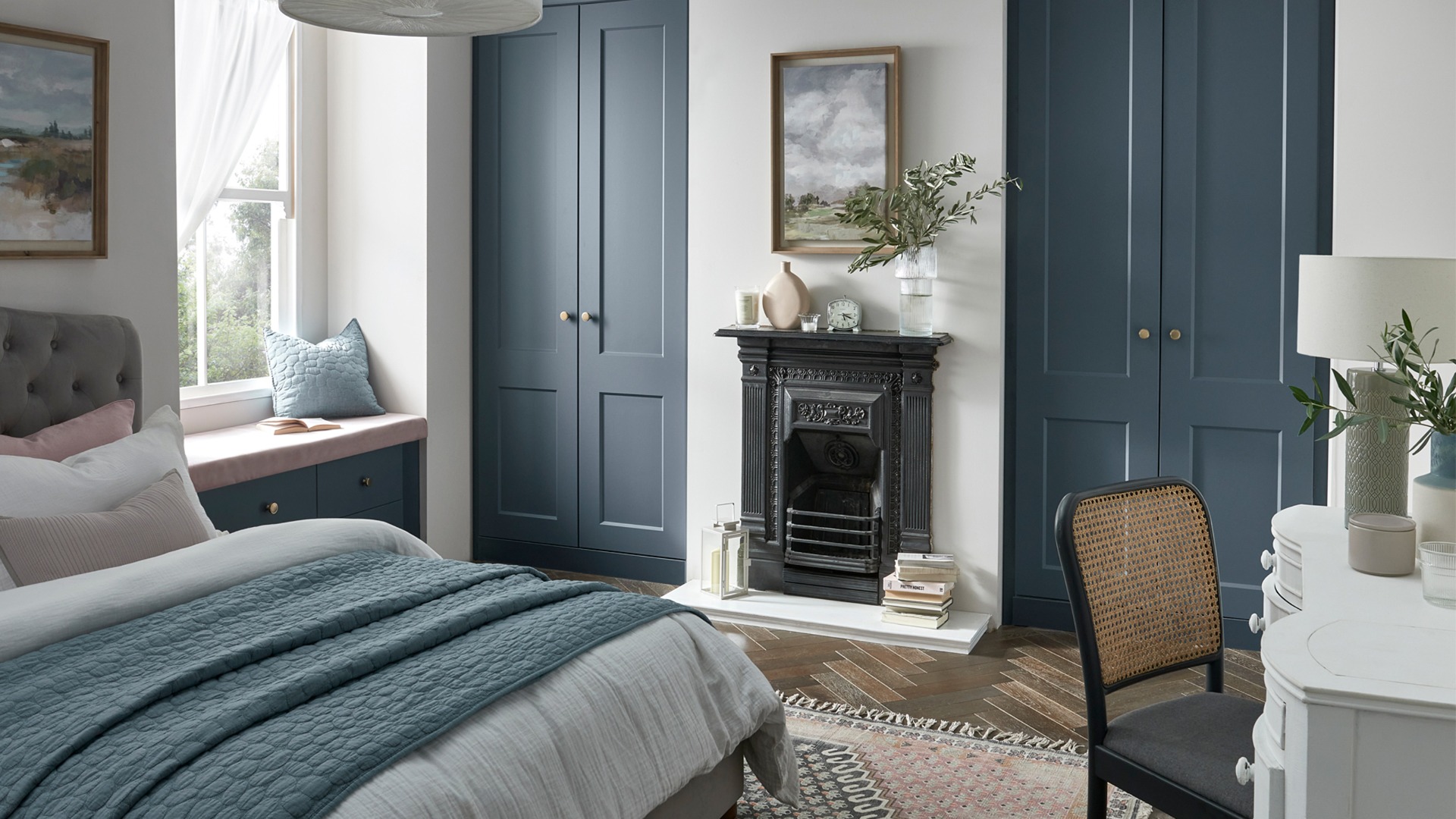
Furnishing the Heart of the Home: Durable Lounge Furniture Options
In any care home, the lounge is more than just a communal space — it’s the emotional centre of daily life. It’s where residents gather, relax, and feel at home. That’s why investing in durable lounge furniture that balances comfort, resilience, and easy maintenance is so essential.
Choosing Sofas That Are Soft Yet Strong
Sofas in care homes need to offer inviting softness without compromising hygiene or safety. Opt for:
- Waterproof and stain-resistant fabrics, ideal for frequent use and easy cleaning
- Designed to fit various room sizes and needs to support ease of movement
- Easy to replace or expand without disrupting style, which are more hygienic and allow for floor cleaning
Look for sofa styles with replaceable cushions or removable covers to prolong lifespan and simplify maintenance.
Lounge Chairs That Support Comfort and Independence
A well-designed lounge chair can make a world of difference to a resident’s independence. Ideal options include:
- Chairs with high backs and armrests for full body support
- Wider seats to accommodate various body types and mobility aids
- Non-slip feet or wide bases, to ensure stability on different flooring types
These features not only boost comfort but also enhance safety, especially for residents with reduced strength or balance.
Creating Spaces for Social Connection
Beyond the furniture itself, the way it’s arranged plays a role in wellbeing. Cluster seating into small social groups, mix solo chairs with two-seaters, and allow space for wheelchairs and walking frames to move easily. Thoughtful layouts can make even the largest lounges feel warm, safe, and personal.
Resilient and Comfortable: Choosing Care Home Dining Furniture
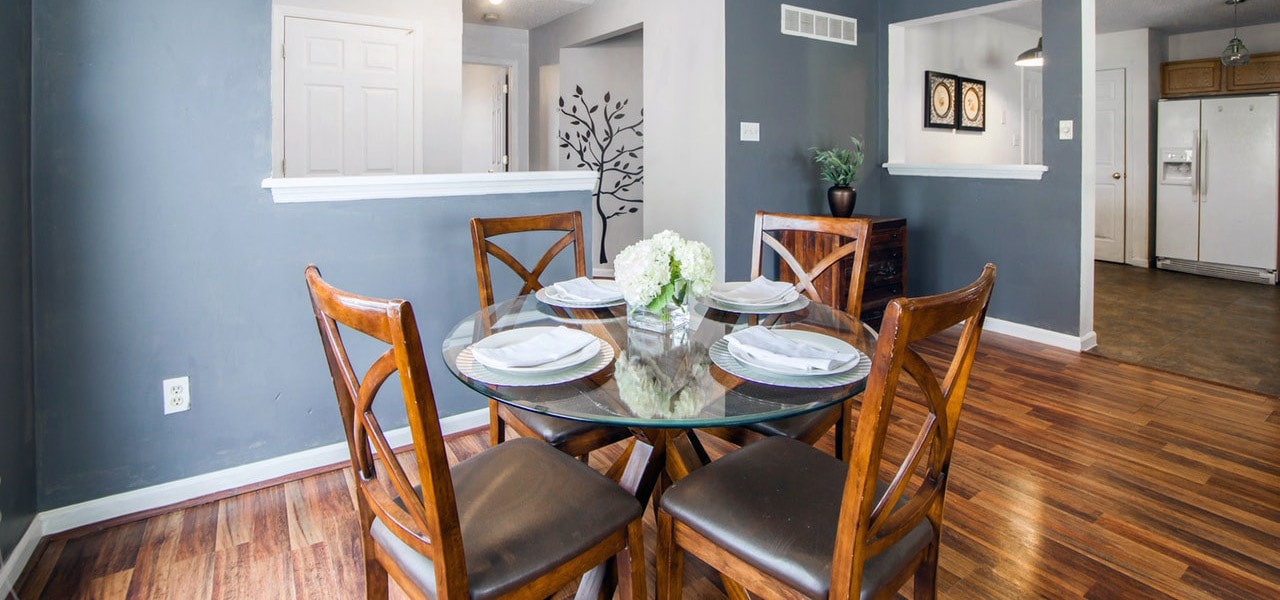
The dining room is a vital social hub in any care home — where nutrition, companionship, and routine all come together. So, the furniture in this space must be more than attractive. It must be resilient, safe, and above all, support comfort and dignity at every meal.
What to Look for in Dining Chairs
Dining chairs in a care environment must handle everything from spills to shifts in posture. When choosing dining chairs, look for features such as:
- Armrests to aid with standing and sitting
- Wider seat bases for extra stability
- Firm but cushioned padding, for extended comfort
- Anti-tip construction, to prevent accidents
These design touches don’t just improve safety — they help residents maintain their independence.
Dining Tables That Work Hard
Tables in residential care homes endure daily cleaning and frequent repositioning. That’s why hard-wearing furniture here must include:
- Wipeable surfaces such as laminate or sealed wood
- Rounded corners to reduce injury risk
- Adjustable or standardised heights to suit wheelchairs and walking aids
- Sturdy legs with floor glides to ease movement and prevent marking
| Feature | Dining Furniture Benefit |
|---|---|
| Armrests on chairs | Enhances comfort and standing support |
| Wide chair bases | Improves balance and reduces tipping |
| Wipe-clean table surfaces | Supports hygiene and infection control |
| Rounded edges | Minimises bumps and injury risk |
A well-furnished dining area doesn’t just look professional — it creates a welcoming space that promotes appetite and encourages social interaction.
 width="1874" height="1054">
Practical and Peaceful: Bedroom Furniture for Care Homes
Bedrooms in care homes are private sanctuaries — a space for rest, reflection, and personal identity. The best bedroom furniture supports this by being both practical and peaceful, allowing residents to move safely and feel truly at home.
Prioritising Safety and Accessibility
Residents often have reduced mobility, so furniture must be easy to navigate around and free from hazards. That means:
- Rounded corners on all units to prevent knocks
- Non-slip feet on wardrobes and bedside cabinets
- Contrasting handles and finishes to support visibility
Well-placed furniture can help create a safe and navigable space — reducing the risk of falls and improving confidence.
Smart Storage for a Clutter-Free Environment
Clutter in a nursing home bedroom isn’t just untidy — it’s a trip hazard. Incorporating smart storage solutions helps residents and carers alike:
- Wardrobes with internal shelving and hanging space
- Lockable drawers for private items
- Underbed storage to free up floor space
Tip: Position furniture so that it doesn’t obstruct grab rails or pathways to the bathroom.
Beds Built for Comfort and Care
A good night’s sleep is essential — but so is ease of care. That’s where profiling beds come in. These adjustable beds are designed specifically for residential care, offering:
- Multiple back and leg positions for comfort
- Multiple back and leg positions for comfort
- Multiple back and leg positions for comfort
These beds not only improve comfort for residents but also support the health and efficiency of care staff.
Supporting Special Needs: Dementia-Friendly and Challenging Behaviour Solutions
Designing furniture for dementia care or residents with challenging behaviours requires an extra layer of thought. Here, the goal isn’t just durability — it’s about creating spaces that promote calm, safety, and independence through thoughtful, research-backed design.
Using Visual Contrast and Colour Psychology
People living with dementia may struggle with depth perception and visual confusion. Furniture in these spaces should be designed to:
- Contrast clearly with floors and walls (e.g., light furniture on dark flooring)
- Use recognisable shapes and colours to identify wardrobes, chairs, and beds
- Avoid overly complex patterns that might cause confusion or visual distress
Soft blues, greens, and neutral earth tones tend to offer calm and clarity, while bold contrasts can help residents distinguish between objects and surfaces.
Dementia-Friendly Furniture Features
Look for furniture that supports recognition and reduces sensory overload. Features might include:
- Open-front wardrobes or clear signage on drawers
- Chairs and sofas with traditional, recognisable silhouettes
- Rounded edges and reinforced construction to prevent injury during agitation
For residents who display high levels of movement, agitation, or aggression, durable care home furniture must prioritise safety and resilience:
Creating Safe Spaces for Challenging Behaviours
- Weighted chairs and tables to prevent tipping or throwing
- Anti-ligature designs for secure environments
- Durable finishes that withstand heavy impacts
Collaborate with your supplier to ensure furniture is suitable for high-risk residents and aligns with care plans and risk assessments.
Soft Furnishings that Combine Comfort and Compliance
Soft furnishings may be the finishing touch in a care home, but their role is far from superficial. From curtains to cushions, these items help create a homely atmosphere, support resident wellbeing, and must also meet stringent safety and hygiene standards.
Safety and Compliance First
In a nursing home or residential care setting, soft furnishings must adhere to specific legal and care requirements:
- Flame retardancy: Fabrics must comply with UK fire safety regulations (typically BS 5867 for curtains and BS 7176 for upholstery).
- Stain resistance: Accidents happen — so upholstery should resist common spills like tea, juice, and food
- Washability: Fabrics must tolerate frequent washing or be wipe-clean to support infection control protocols.
Choosing commercial-grade care furniture and fabrics ensures you're protected — and so are your residents.
Comfort, Texture, and Mental Wellbeing
Beyond the technical specs, soft furnishings play a sensory role. Thoughtfully chosen textiles can:
- Reduce echo and harsh acoustics in busy spaces
- Offer tactile comfort through soft cushions and throws
- Boost emotional wellbeing through patterns that reflect nature, seasons, or memory-friendly themes
For example, floral patterns may trigger positive reminiscence in older residents, while textured throws can offer soothing sensory input.
Balancing Style with Regulations
Striking a balance between style and safety is key. Choose suppliers who offer:
- Coordinated furnishing sets to maintain aesthetic consistency
- Customisable options that still meet all safety standards
- Expert advice on matching visual appeal with regulatory compliance
Choosing the Right Supplier for Care Home Furniture
No matter how well-designed or compliant your furniture is, its success ultimately depends on the supplier behind it. The right partner doesn’t just deliver products — they provide expertise, aftercare, and peace of mind.
What to Look for in a Reliable Supplier
A great care home furniture supplier understands the demands of healthcare environments and works closely with you to meet them. When vetting potential partners, consider:
- Delivery and lead times — are they realistic and reliable?
- Warranty and guarantees — do they stand behind their products?
- Support and aftercare — is help available if something goes wrong?
- Case studies or testimonials — do they have a proven track record in residential care or nursing home settings?
Experience in the Care Sector Matters
Suppliers who specialise in care homes know the nuances of the sector. They’re more likely to:
- Offer bespoke advice based on resident needs
- Suggest compliant products without compromising comfort
- Understand the logistical challenges of installing furniture in occupied spaces
- Case studies or testimonials — do they have a proven track record in residential care or nursing home settings?
This is especially important when furnishing specialist areas such as dementia care wings or assisted living flats.
Supporting UK-Based and Sustainable Manufacturers
There’s growing value in working with local or UK-based manufacturers. Benefits include:
- Shorter lead times and reduced carbon footprint
- Easier communication and on-site visits
- Supporting British industry and sustainability initiatives
Tip: Ask about FSC-certified wood, recycled fabrics, or closed-loop manufacturing when sourcing durable care home furniture.
Conclusion: Durable Care Home Furniture That Works as Hard as You Do
Furnishing a care home isn’t just about filling rooms — it’s about investing in comfort, dignity, and long-term quality. From the dining hall to the bedroom, every piece of durable care home furniture should meet the needs of your residents and your staff — every single day.
Whether you're looking to refit an entire residential care home, furnish a new lounge, or simply replace worn-out dining chairs, choosing purpose-built, compliant, and comfortable furniture makes a real difference. It enhances safety, boosts morale, and reflects the high standards your care home represents.
At Swan Hill Furniture, we offer a comprehensive range of hard-wearing furniture tailored for the care sector. With decades of experience, we understand the unique challenges care environments face — and we’re here to help you meet them with style, safety, and substance.
Ready to transform your space?
Explore our range of care home furniture range or book a free consultation with our team today. Prefer a brochure? Download it here.