
Maximising Space in Care Home Bedrooms
Creating a spacious, comfortable care home bedroom furniture layout starts with thoughtful planning and a clear understanding of each resident’s needs. Every decision, from furniture selection to lighting, should help the room feel safe, accessible and familiar, while still making the most of the available space.
A well-designed bedroom can boost independence, support personal identity and create a calming environment where residents feel secure. To achieve this, it helps to combine simple layouts, multi-functional furniture and subtle design touches that make the room feel both practical and homely.
Keep the Layout Simple and Uncluttered
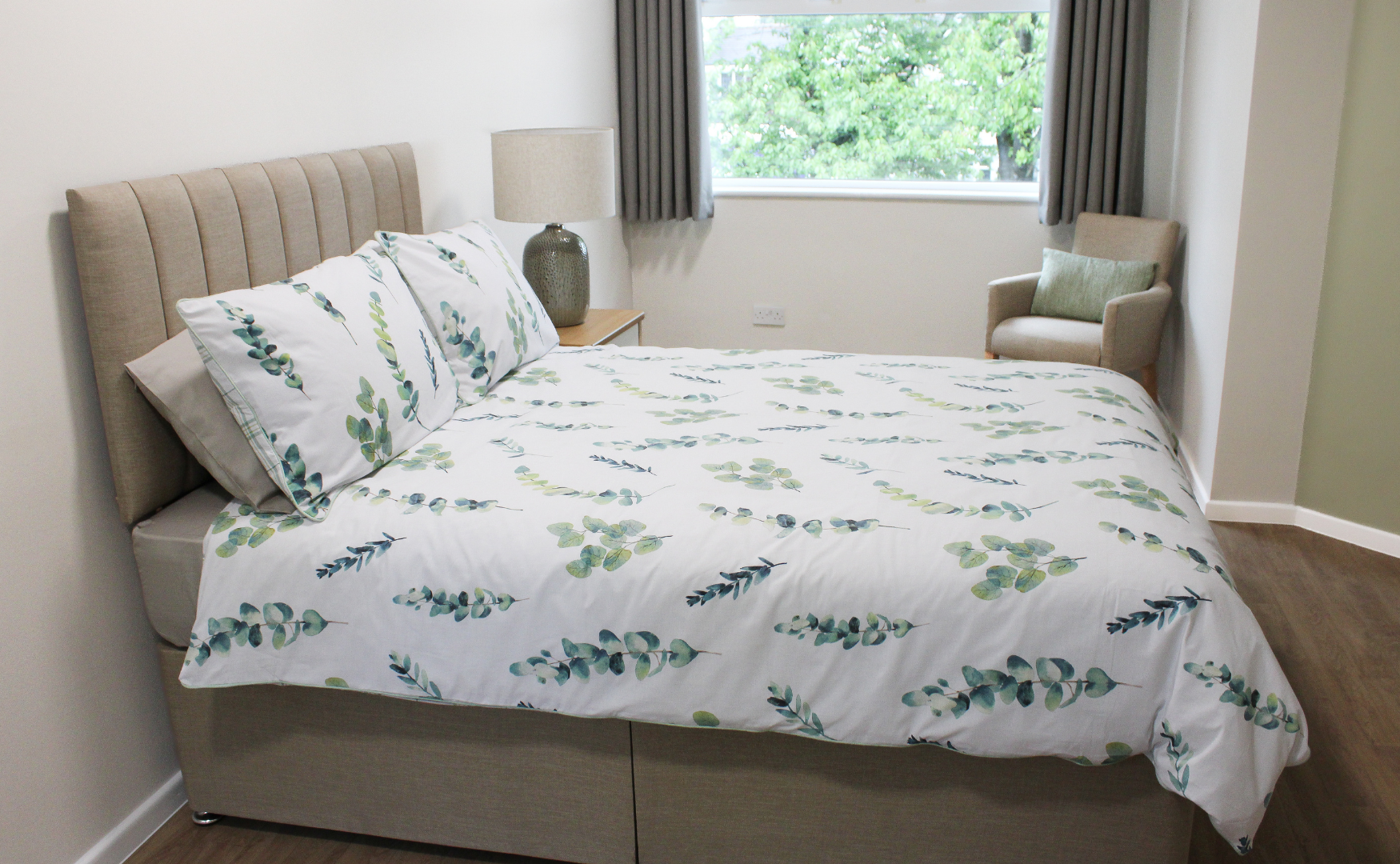
One of the most effective ways to maximise space is to keep the room layout clean and logical. Clear walkways between the bed, seating and bathroom reduce the risk of trips or falls, especially at night.
If the resident uses a walking aid, ensure it can be stored within easy reach without becoming an obstacle. Keeping surfaces free from clutter also helps residents navigate the room with confidence, particularly those with mobility challenges.
Place larger pieces of furniture against the walls to free up central floor space, and avoid positioning anything that blocks the natural flow from the doorway.
Make the Most of Vertical Space
Vertical storage can significantly increase the usable space in a smaller room. Tall shelving units or wall-mounted cupboards provide plenty of storage without encroaching on the floor area. Mirrors can also help open up the room by reflecting light and creating the illusion of more space.
For residents with dementia, ensure mirrors can be covered if they cause confusion or distress.
Use Colour and Lighting to Open Up the Room
Light, neutral colour schemes help a bedroom feel more open and airy. You can still add personality with soft furnishings such as throws, cushions or artwork.
Maximise natural light with simple window treatments like sheer curtains or roller blinds. Layered lighting is also key, combining overhead lights with task and ambient lighting to eliminate dark corners and harsh shadows.
Thoughtful Lighting for Safety and Comfort
Lighting plays a vital role in a resident’s wellbeing. Natural light during the day and softer, calming lighting in the evening can support sleep patterns and create a soothing atmosphere.
Bedside lamps, touch-operated switches and motion-sensor night lights are especially useful for residents who may need to get up during the night or who struggle with dexterity.
Safe and Practical Floor Coverings
If rugs or mats are used, they should be securely fixed to prevent slips or trips. Keep essential items like medication, glasses and call bells within easy reach of the bed or favourite chair. This encourages independence and avoids unnecessary strain.
Choosing the Right Furniture
Furniture has a big impact on how spacious a room feels. Opt for compact, appropriately scaled pieces and avoid anything bulky that makes the room feel crowded. Multi-functional furniture, such as ottomans or benches with hidden storage, helps reduce clutter.
Furniture with legs can create an airy feeling by allowing light to flow underneath. Rounded edges improve safety and make movement around the room easier.
Select chairs that offer good support and are easy to get in and out of, and choose wardrobes or drawers that open smoothly without requiring excessive bending or stretching. Avoid glass-topped or sharp-edged tables where possible.
Consider the Space as a Whole
Before planning the layout, consider how the space will be used each day. Residents should be able to move freely without feeling boxed in, and staff need enough space to assist safely when required.
Good space planning can also reduce avoidable accidents and help prevent the need for emergency callouts.
Using Lines and Visual Guides
Simple design elements like strong vertical or horizontal lines can help create harmony and guide movement around the room. These visual cues are particularly valuable for residents with visual impairments or dementia, helping them navigate more confidently.
Adding Personal Touches
A care home bedroom should feel like home. Encourage residents to bring personal belongings such as photographs, ornaments, favourite bedding or a well-loved chair.
Creating a small hosting area with a couple of chairs and a side table also provides a welcoming space for visitors and helps maintain a sense of normality and social connection.
Ready to Make the Most of Your Bedroom Spaces?
With thoughtful planning and the right furniture and design choices, care home bedrooms can feel spacious, safe and deeply personal. If you need support optimising bedroom layouts or selecting practical furniture options, contact us today to discuss how we can help maximise space across your care home.