
Why Side Rails Should Be Banned in Care Homes: Rethinking Resident Safety, Dignity and Best Practice
For decades, side rails in care homes have been installed to prevent residents from falling out of bed. At first glance, they seem like a straightforward safety solution. However, research, regulatory guidance and frontline experience increasingly show that side rails can do more harm than good, putting residents at risk, reducing their autonomy and negatively impacting their dignity.
In this article, we’ll explore the historical use of side rails, the real safety and wellbeing concerns, and practical, evidence-based alternatives to bed rails in nursing homes that support residents while maintaining their freedom and comfort.
What Are Side Rails and Their Historical Use?
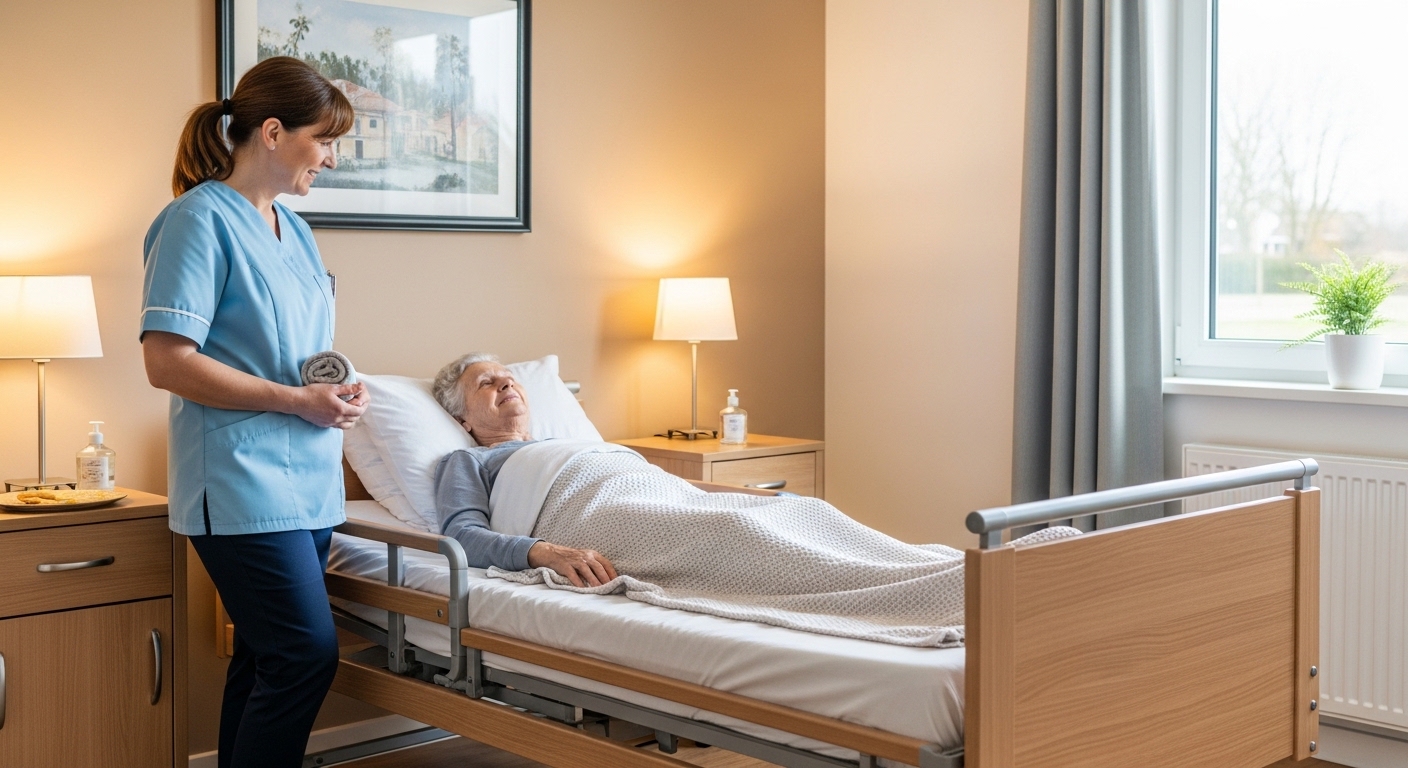
Side rails, often called bed rails or safety rails, are barriers attached to the sides of a bed. Historically, they were introduced in care homes to prevent residents from rolling out of bed or injuring themselves. In an era where fall prevention was the primary concern, side rails were seen as an easy and inexpensive solution.
Care staff often relied on them to give residents a sense of stability, particularly those who had limited mobility or were at risk of wandering in their sleep.
Yet, this historical approach emphasised risk avoidance over person-centred care. While side rails might have prevented some incidents, they also restricted movement, created psychological stress and sometimes caused injuries — problems that were often overlooked at the time.
The Safety Concerns Around Side Rails
While the intention behind side rails may have been protection, studies and clinical evidence show that side rails in care homes can pose serious risks:
Entrapment and Injury
One of the most dangerous risks of side rails is entrapment, where a resident can get trapped between the mattress and the rail, or between the rails themselves. In severe cases, this can result in serious injuries or even fatalities. The UK’s Medical and Healthcare products Regulatory Agency (MHRA) has reported numerous incidents where side rails contributed directly to harm in care settings.
Increased Falls from Climbing
For residents who are confused or mobile, side rails may encourage attempts to climb over, leading to falls from a greater height. These falls can result in more severe injuries than a simple slip from a bed without rails.
Side Rails as Restraints
In some cases, side rails are used not for safety, but as a form of restraint. Using them in this way without proper assessment compromises a resident’s rights and can cause psychological distress.
False Sense of Security
Side rails can create a false sense of safety. Care staff might assume a rail will prevent falls, while in reality, poor maintenance, improper installation, or a lack of supervision can turn these devices into hazards.
Overall, the risk-benefit balance of side rails in care homes is increasingly being questioned, and care homes are encouraged to explore safer, more humane alternatives.
The Impact on Resident Dignity and Wellbeing
Safety isn’t only about preventing physical injury, it also includes respecting residents’ autonomy, comfort and dignity.
Loss of Freedom and Autonomy
Side rails can make residents feel trapped or confined. For someone who is cognitively aware, the presence of a rail can signal restriction rather than protection, reducing their ability to move freely and make choices about their day-to-day life.
Psychological Impact
Feelings of confinement can lead to anxiety, agitation and frustration. In some cases, residents may develop fear of their own beds or become resistant to care activities.
Impact on Person-Centred Care
Modern care standards emphasise resident safety and dignity. Side rails often conflict with these values, limiting independence and reducing quality of life.
By understanding the emotional and psychological impact of rails, care homes can adopt strategies that both protect and empower residents.
Modern Best Practices for Resident Safety
Instead of relying on restrictive side rails in care homes, modern care homes are adopting evidence-based strategies for fall prevention without side rails. These approaches focus on reducing risk while preserving freedom and comfort.
-
Low Beds and Anti-Fall Mats: Adjustable low beds, often paired with cushioned floor mats, reduce the impact of falls. Residents can safely get in and out of bed with less risk of injury, and caregivers can respond quickly when needed.
-
Sensor Alarms and Monitoring Systems: Technology such as pressure-sensitive mats or bed-exit alarms alerts staff immediately if a resident leaves the bed. This allows for rapid response without physical restrictions.
-
Enhanced Staff Training and Observation: Regular staff training in mobility risk assessment, fall prevention, and person-centred care ensures that residents are monitored appropriately. Staff can proactively intervene rather than relying on equipment to reduce risk.
-
Environment Design and Furniture Arrangement: Thoughtful layout, adequate lighting, and non-slip flooring naturally reduce fall risk. Furniture that supports safe movement, such as chairs with armrests and beds with adjustable heights, further decreases the need for rails.
By implementing these strategies, care homes can achieve fall prevention without side rails, improving both safety and resident wellbeing.
How Furniture Design Can Replace Side Rails?
Furniture design is a key component in reducing reliance on side rails while supporting residents’ independence and comfort.
Ergonomic Support
Beds and chairs designed with ergonomic support allow residents to move and reposition themselves safely. Proper mattress firmness, height-adjustable beds, and supportive seating reduce fall risk and encourage independence.
Adjustable Beds
Modern profiling beds allow height adjustments, keeping residents close to the floor at night for safety and raising them during care activities. This eliminates the need for restrictive side rails.
Safe Seating and Layout
Chairs with supportive arms and thoughtful room layouts help residents transfer safely from one area to another. Clear pathways, rounded furniture edges, and sturdy support surfaces contribute to safety without compromising dignity.
Soft Materials and Safe Surfaces
Furniture with soft, easy-to-clean materials and rounded edges reduces injury risk during routine movement and falls. This approach integrates safety into everyday design rather than relying on restrictive measures.
By considering these design principles, care homes can create environments that balance resident safety and dignity effectively.
Regulatory Guidance & Expert Recommendations
In the UK, guidance from the Care Quality Commission (CQC) and MHRA emphasises individual risk assessment over blanket use of restrictive devices.
-
Side rails should only be used after a thorough assessment and documented justification.
-
They should never serve as restraints or replace active supervision.
-
Evidence supports person-centred strategies, environmental adaptations, and staff training as safer, more humane solutions.
Experts in gerontology, dementia care and occupational therapy all recommend that care homes prioritise alternatives to bed rails in nursing homes and adopt design and monitoring strategies that enhance both safety and independence.
Final Thoughts
While side rails in care homes were once considered essential for fall prevention, modern evidence shows that they can be harmful to both physical safety and mental wellbeing.
By shifting focus to resident safety and dignity, care homes can embrace innovative solutions such as low beds, sensor systems, smart furniture and environmental design. These approaches reduce injury risk, support autonomy, and enhance quality of life.
Suppliers like Swan Hill Furniture offer solutions designed specifically for safe, comfortable and dignified care environments, demonstrating that safety and freedom are not mutually exclusive. Care homes that adopt these modern best practices show leadership in compassionate, ethical and person-centred care.
FAQs
Are side rails illegal in UK care homes?
Side rails are not illegal, but they should only be used when justified by individual risk assessment. Improper use may violate regulatory standards.
What alternatives exist to prevent falls in care homes?
Low beds, anti-fall mats, sensor alarms and supportive furniture are all effective alternatives to bed rails in nursing homes.
How can furniture design improve resident safety?
Ergonomic beds, supportive chairs and adjustable furniture reduce fall risk naturally, supporting independence and comfort.
Do all care home beds come with side rail options?
Many beds offer side rails, but the decision to use them should be based on resident needs and professional assessment, not routine practice.
How does removing side rails improve resident dignity?
Removing unnecessary rails allows residents to move freely, preserves autonomy and reduces psychological stress, supporting a more person-centred care approach.