
Top 5 Furniture Materials for Longevity in Care Homes
When selecting new furniture for a care home, durability and longevity should be key considerations. The right materials can withstand daily use, maintain comfort for residents, and reduce ongoing maintenance demands.
Leather is widely regarded as one of the most hard-wearing natural coverings, while modern performance fabrics such as medical-grade vinyl and coated polyurethane are increasingly popular in care environments. These materials are durable, easy to clean and resistant to wear.
Ultimately, the best furniture materials for care homes balance strength, comfort and ease of maintenance, helping create safe, hygienic and long-lasting spaces for both residents and staff.
The Benefits of a Long-Lasting Furniture Material
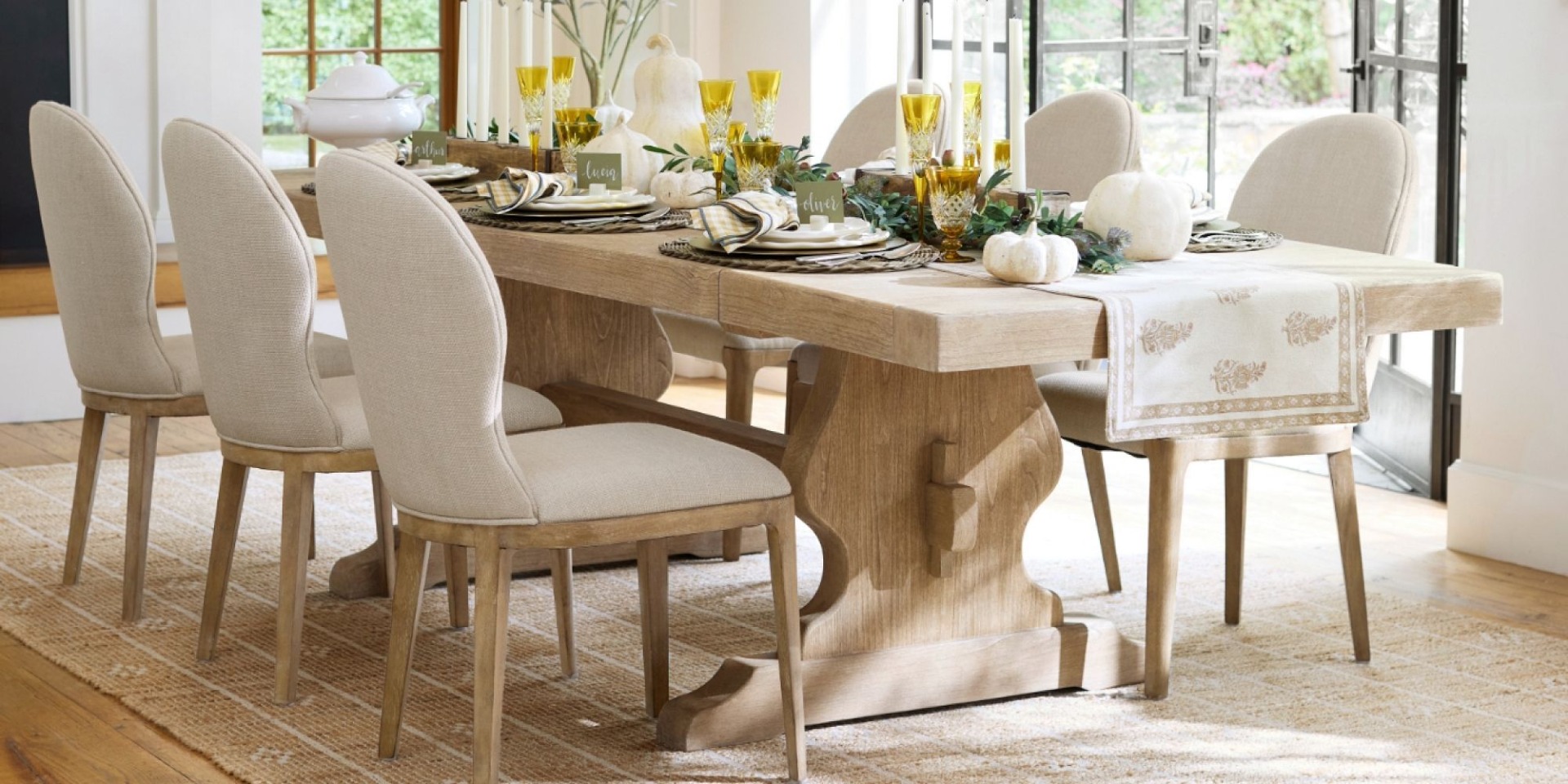
Choosing long-lasting furniture materials helps reduce costs, minimise replacements and deliver lasting comfort and style. High-quality materials retain their shape and support far better than cheaper alternatives, ensuring furniture continues to look and feel good over time.
Although durable materials may involve a higher initial investment, they are more cost-effective in the long term. Fewer repairs and replacements help lower overall expenditure while maintaining consistent quality.
Long-lasting materials are also easier to clean and maintain. Stain-resistant, waterproof finishes, combined with resistance to fading and wear, help furniture remain hygienic, attractive and reliable throughout years of daily use.
How Is Durability Measured in Furniture Fabrics?
The durability of furniture fabrics is measured using a rub test, which assesses how well a material withstands wear over time. During the test, a machine repeatedly rubs the surface of the fabric to simulate everyday use. The point at which the fabric begins to show visible signs of wear determines its rub count.
For commercial care home furniture, a minimum rub count of 50,000 is recommended, ensuring fabrics are durable enough to cope with frequent daily use while maintaining their appearance and performance.
What Are the Most Long-Lasting Furniture Materials?
When choosing durable sofa or chair fabrics for a care home, there are several material options to consider. The right choice will depend on the look you want to achieve, your budget and how easy the fabric is to clean and maintain. Below are some of the most long-lasting furniture materials suited to high-traffic care home environments.
Leather
Leather is made from animal hide, giving it exceptional strength and durability. For those who prefer not to use animal products, high-quality faux leather alternatives are widely available and offer similar performance.
With proper care, leather furniture can resist wear and tear for decades. It is a timeless and stylish option that is easy to clean and does not absorb stains easily. Leather typically has a rub count of around 750,000, making it one of the most durable furniture materials available.
The main drawback is cost, as leather is more expensive than many other fabrics due to the time and processes involved in its production.
Linen
Linen is a natural fabric valued for its breathability and strength. Despite its lightweight feel, it is surprisingly durable and suitable for everyday use. Linen can absorb up to 20 times its weight in moisture before feeling damp.
However, linen is prone to wrinkling and shrinking when wet, and stains can be difficult to remove. This makes it a higher-maintenance option in care environments. Linen typically has a rub count of around 100,000, offering good durability when well maintained.
Chenille
Chenille is a popular upholstery choice due to its soft texture and high comfort levels. It is ideal for sofas and lounge seating where residents want to relax comfortably.
Despite its plush feel, chenille is durable, with an average rub count of around 70,000. It is also available in a wide range of colours and patterns, making it a good option for adding warmth or visual interest to care home interiors.
Cotton
Cotton is a natural fabric that has been used for generations. It is lightweight, breathable and reasonably strong, but on its own it is not as durable as some other upholstery options.
Pure cotton typically has a rub count of around 20,000, which makes it less suitable for high-traffic care environments. For this reason, cotton is often blended with materials such as polyester or acrylic to improve durability and longevity.
Polyester
Polyester is a synthetic fabric known for its resilience and resistance to everyday wear. It performs well in high-traffic areas and is resistant to abrasion, making it a practical choice for care homes.
It holds colour well, even with prolonged exposure to sunlight, and is easy to clean with minimal maintenance. Polyester is also resistant to pilling, helping furniture retain a neat appearance over time. It generally has a rub count of around 30,000 for heavy commercial use.
Choosing the Best Furniture Material for Your Care Home
Durability does not have to come at the expense of comfort. Some of the most hard-wearing upholstery options, such as leather and chenille, also provide excellent softness and support, making them well suited to care home seating.
When selecting a robust fabric, it is important to consider how it is constructed. Tightly woven materials are generally more durable, as closely packed fibres are better able to withstand regular use.
Durability also includes how well a fabric maintains its appearance over time. Resistance to pilling helps furniture retain a smart, well-kept look, while strong colour retention reduces fading and prevents seating from looking tired. Choosing colours that do not easily show marks or stains can further improve longevity, with darker tones often being more practical.
Materials such as leather are particularly easy to maintain, as they do not absorb stains and can be cleaned quickly, helping care homes maintain hygienic and attractive communal spaces with minimal effort.
Stain-resistant fabrics are treated with specialist finishes that help repel spills and marks, making them ideal for care home furniture where everyday accidents are more likely to occur. Materials such as chenille and leather are particularly easy to clean and maintain, helping furniture retain its appearance over time.
By preventing stains from setting in, these fabrics keep communal areas looking clean, welcoming, and well cared for, reducing the effort required for ongoing maintenance.
Advantages of Choosing Waterproof Furniture
Waterproof furniture plays an important role in care homes by supporting hygiene, infection control and long-term durability. These materials prevent liquids from soaking into the padding, whether from drink spills or incontinence, allowing for quick and effective cleaning and disinfection.
This reduces the risk of bacteria, mould and odours while helping furniture last longer. Waterproof seating also contributes to a cleaner, more dignified environment for residents, while lowering replacement and maintenance costs for care homes.
We Can Help You Choose Long-Lasting Furniture Materials
Selecting the right furniture materials means balancing durability, ease of maintenance, and visual appeal. With a wide range of upholstery options available, it can sometimes be difficult to know which is best suited to your care home.
We are here to help guide you through the options, ensuring you choose long-lasting materials that meet your practical needs, complement your interior and deliver excellent value over time.
Explore our range of bedroom furniture, dining room furniture and lounge furniture.
Contact us today to find out more.