
Eco-Friendly Furniture Choices for Care Homes
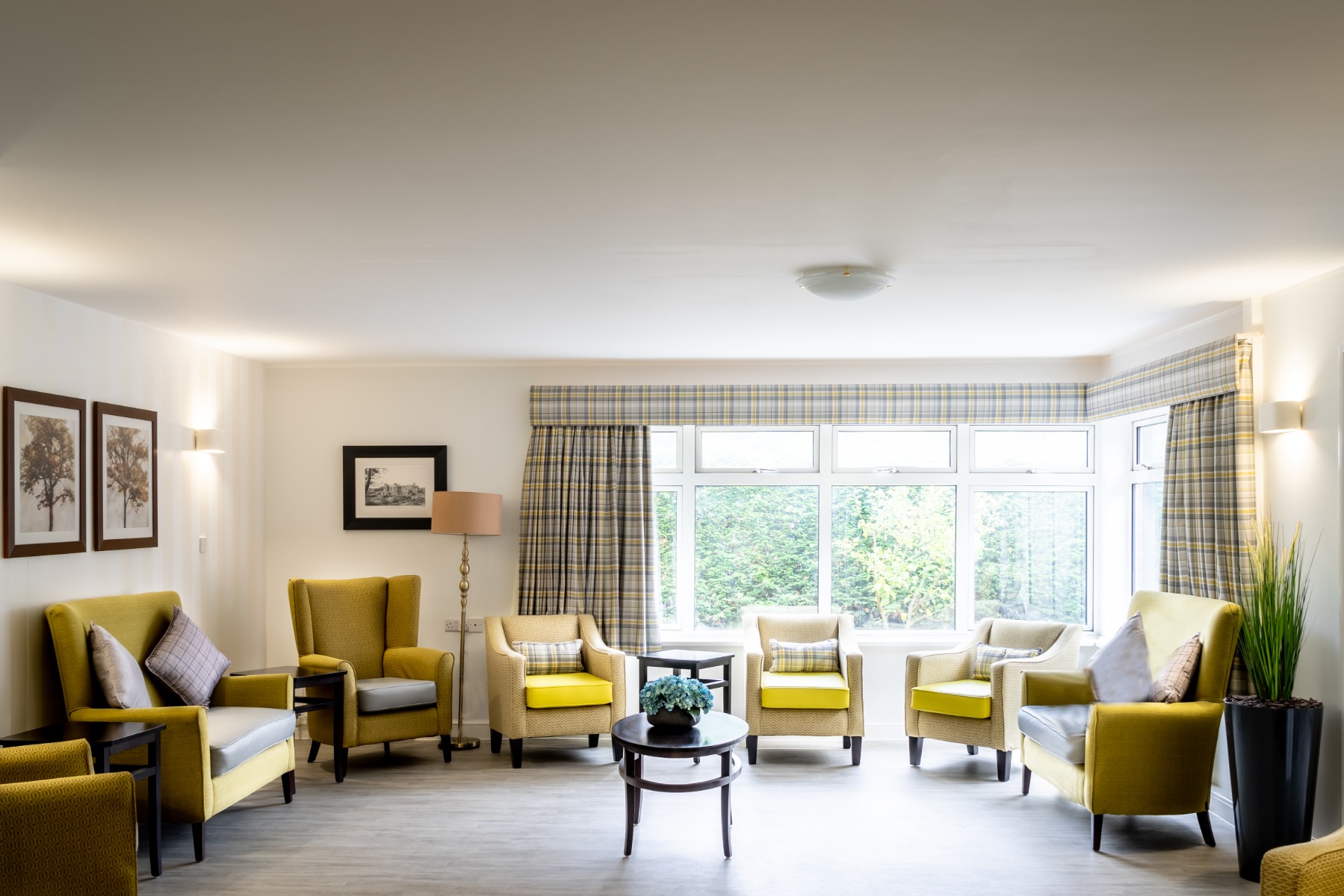
Creating a care home environment that is both sustainable and comfortable is becoming increasingly important. Eco-friendly care home furniture is not just a trend, it is a practical solution that supports environmental responsibility while enhancing resident wellbeing. By choosing furniture made from sustainable materials, care homes can reduce waste, improve indoor air quality and create spaces that are safe, calming and visually appealing.
Why Eco-Friendly Furniture Matters in Care Homes
Care homes operate in a high-use environment where furniture must withstand constant use while maintaining comfort and safety. Traditionally, furniture choices have prioritised durability and hygiene over environmental impact. However, eco-conscious approaches are changing the industry. Choosing eco-friendly care home furniture supports sustainability goals by reducing waste, limiting carbon footprint and encouraging responsible sourcing.
Sustainable nursing home furniture often incorporates materials such as reclaimed wood, recycled metals and fabrics made from natural or recycled fibres. These choices help minimise landfill waste and reduce reliance on non-renewable resources. Beyond environmental considerations, eco-friendly furniture can contribute to a healthier indoor environment. Many sustainable materials emit fewer volatile organic compounds, improving air quality and creating safer spaces for residents with respiratory sensitivities.
Key Features of Eco-Friendly Furniture
When selecting eco-friendly care home furniture, it’s essential to look beyond appearance and focus on materials, safety and long-term performance. The right features not only support sustainability goals but also improve the daily experience of residents and staff.
Sustainable and recycled materials: One of the defining characteristics of eco-friendly care home furniture is the use of responsibly sourced and recycled materials. Options such as reclaimed wood, bamboo and recycled material furniture help reduce environmental impact while maintaining strength and durability.
Low-emission and non-toxic finishes: Furniture used in care homes should prioritise indoor air quality. Many conventional products release harmful chemicals, but sustainable nursing home furniture is typically made with low-VOC (volatile organic compound) finishes, adhesives and paints.
Durability and longevity: Care homes require furniture that can withstand frequent use. High-quality eco-friendly care home furniture is designed to last longer, reducing the need for frequent replacements.
Comfort and ergonomic design: Comfort is critical in any care setting. Sustainable furniture doesn’t compromise on usability, many sustainable nursing home furniture options are ergonomically designed to support posture, mobility and ease of use.
Types of Eco-Friendly Furniture for Care Homes
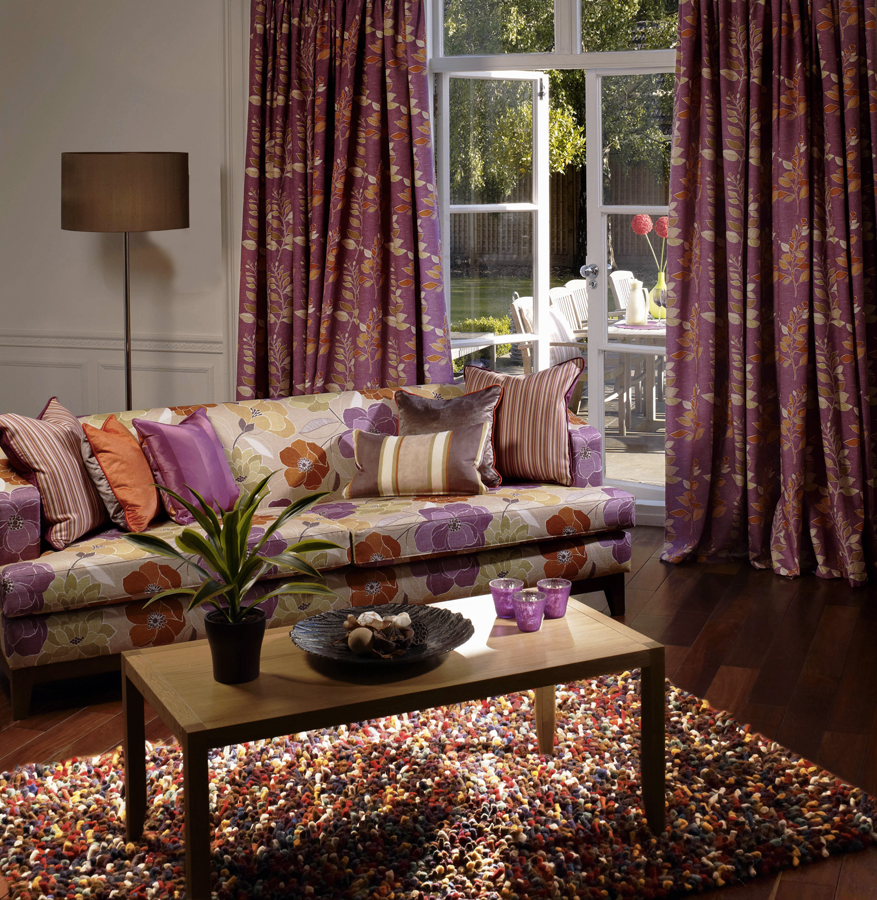
Care homes consist of multiple functional spaces, each requiring specific furniture solutions. Choosing eco-friendly care home furniture across all areas ensures consistency in both sustainability and design.
Bedroom Furniture
Bedrooms should feel safe, calm and comfortable. Beds, wardrobes and bedside cabinets made from recycled material furniture or sustainably sourced wood are excellent choices. These pieces contribute to a relaxing environment while aligning with green care home design principles.
Lounge and Communal Area Furniture
Common areas are high-traffic zones where durability and comfort are equally important. Sofas and chairs made from sustainable nursing home furniture materials, such as recycled fabrics and FSC-certified wood, offer both resilience and environmental benefits. Easy-to-clean surfaces also help maintain hygiene standards.
Dining Furniture
Dining spaces require sturdy and hygienic furniture. Tables and chairs made from eco-friendly care home furniture materials can handle daily use while supporting sustainability goals. Recycled metals and treated natural woods are commonly used for their strength and longevity.
Outdoor Furniture
Outdoor areas play a vital role in resident wellbeing. Garden seating and tables made from weather-resistant recycled material furniture enhance outdoor spaces while reducing environmental impact. Incorporating these elements supports a holistic green care home design that promotes relaxation and connection with nature.
How to Choose the Right Eco-Friendly Furniture
Selecting the right eco-friendly care home furniture involves balancing sustainability, comfort and practicality. Here are key factors to consider:
- Check certifications and standards: Look for recognised certifications that verify sustainability claims. Labels such as FSC (Forest Stewardship Council) or GREENGUARD indicate that the furniture meets environmental and safety standards. This is especially important when investing in sustainable nursing home furniture.
- Evaluate supplier transparency: Choose suppliers who are open about their sourcing and manufacturing processes. Ethical production methods and clear material sourcing are essential indicators of genuinely eco-friendly care home furniture.
- Prioritise safety and accessibility: Furniture should be designed with elderly users in mind. Features such as rounded edges, stable structures and supportive seating are crucial. Many recycled material furniture options now combine safety with sustainability, making them ideal for care settings.
- Consider long-term value: While sustainable options may have a higher upfront cost, they often provide better value over time. Investing in durable eco-friendly care home furniture reduces replacement costs and supports long-term operational efficiency.
Future Trends in Sustainable Care Home Furniture
The demand for eco-friendly care home furniture continues to grow as care providers prioritise sustainability and resident wellbeing. Several emerging trends are shaping the future of the industry.
Circular Economy and Recyclability
Furniture manufacturers are increasingly adopting circular design principles, where products are designed to be reused, refurbished or recycled. This approach aligns perfectly with green care home design and reduces overall waste.
Smart and Sustainable Designs
Innovations in furniture design now combine technology with sustainability. Adjustable beds, smart seating and multifunctional units made from sustainable nursing home furniture materials are becoming more common in modern care homes.
Local and Ethical Sourcing
Many UK-based care homes are shifting towards locally sourced recycled material furniture to reduce transportation emissions and support local businesses. This also ensures better quality control and faster delivery times.
Stronger Environmental Regulations
As sustainability becomes a priority, stricter regulations are expected to guide furniture manufacturing. Care homes that invest early in eco-friendly furniture will be better positioned to meet future compliance standards.
Final Thoughts
Choosing eco-friendly care home furniture is no longer just an ethical decision, it’s a practical investment in quality, safety and sustainability. By incorporating sustainable nursing home furniture, recycled material furniture and principles of green care home design, care homes can create environments that are healthier, more comfortable and environmentally responsible.
From improved air quality to long-term cost savings, the benefits are clear. As the industry continues to evolve, adopting sustainable furniture solutions will play a key role in shaping the future of care home living in the UK.